



- 1.7k Views
- 6 Min Read
- (0) Comment
A Trip to Russia is an exciting and overwhelming experience to plan. Being the biggest country globally, Russia provides people with a great contrast between imperial cities, UNESCO sites and numerous wilderness with traditional roots. To tourists planning to visit Russia tour Packages, knowing the magnitude, regulations, culture, and logistics of the country prior to traveling may be the difference between a stress-filled trip and one that is truly to be remembered.
This is an in-depth guide that will be used by both newcomers and experienced travelers. Either on entry requirements and budget planning to food, safety, and cultural etiquette, there is everything you need to know before you conclude Planning a Trip to Russia.
Understanding Russia as a Travel Destination
Russia Is Massive — Plan Selectively
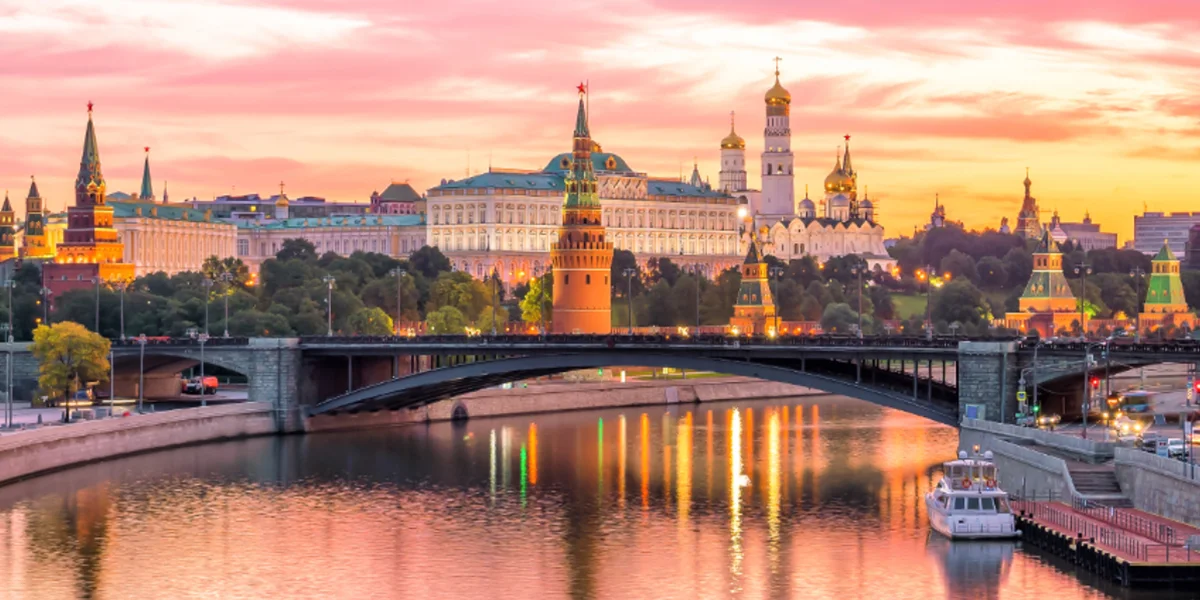
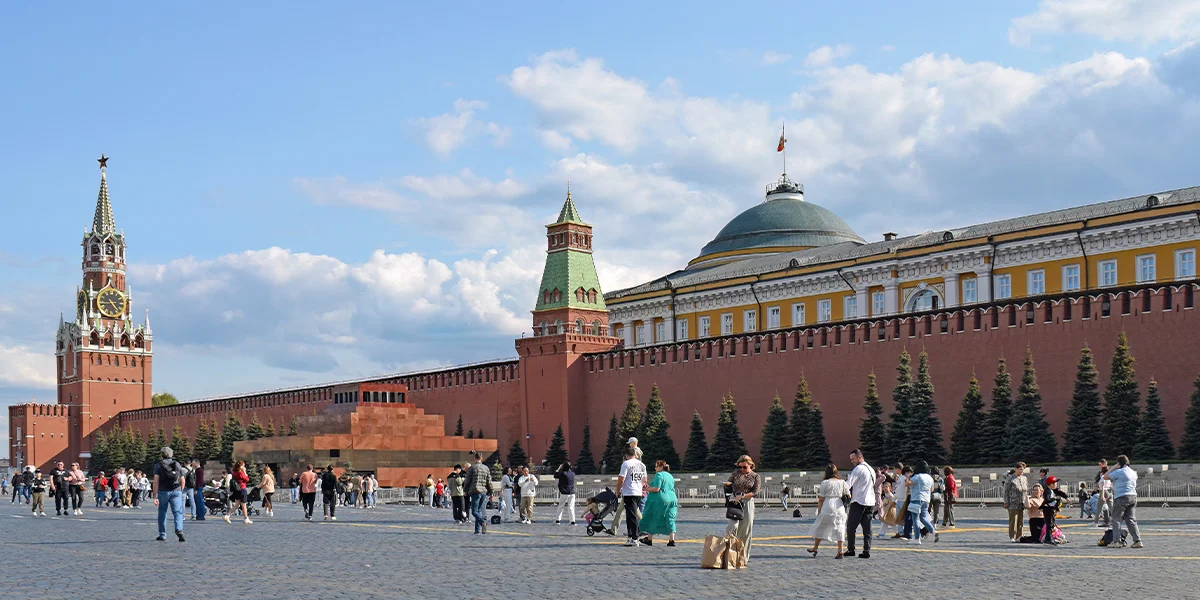
Russia is eleven time zones and it is simply impossible to see everything during one visit. The beginners need to concentrate on a limited area, usually in Moscow, St. Petersburg and historical towns that surround these cities. Planning a Trip to Russia can avert travel-related exhaustion by carefully choosing destinations and be able to explore the local culture further.
Travel Experiences Vary by Region
European Russia is modern and historic, Siberia is wilderness and adventure, whereas such areas as the Golden Ring also remind of the traditional Russian lifestyle. Depending on the region, climate, infrastructure, even social norms can vary considerably, and therefore, expectations must be made accordingly.
Entry Requirements and Travel Documents

Passport Validity and Entry Rules
A majority of the travelers require a tourist visa to be issued prior to their arrival. The passport typically has to be at least six months in validity, not make up of blank pages. Hotel booking confirmations and travel insurance are some of the documents that are usually asked to support the applications.
Tourist Registration Rules
Foreign guest is required to book their accommodation, which is normally done automatically at the hands of hotels. In case of accommodation in private, registration will be done by the hosts. Failure to observe this rule may result in fines or even problems during departure.
Best Time to Visit Russia
Summer vs Winter Travel
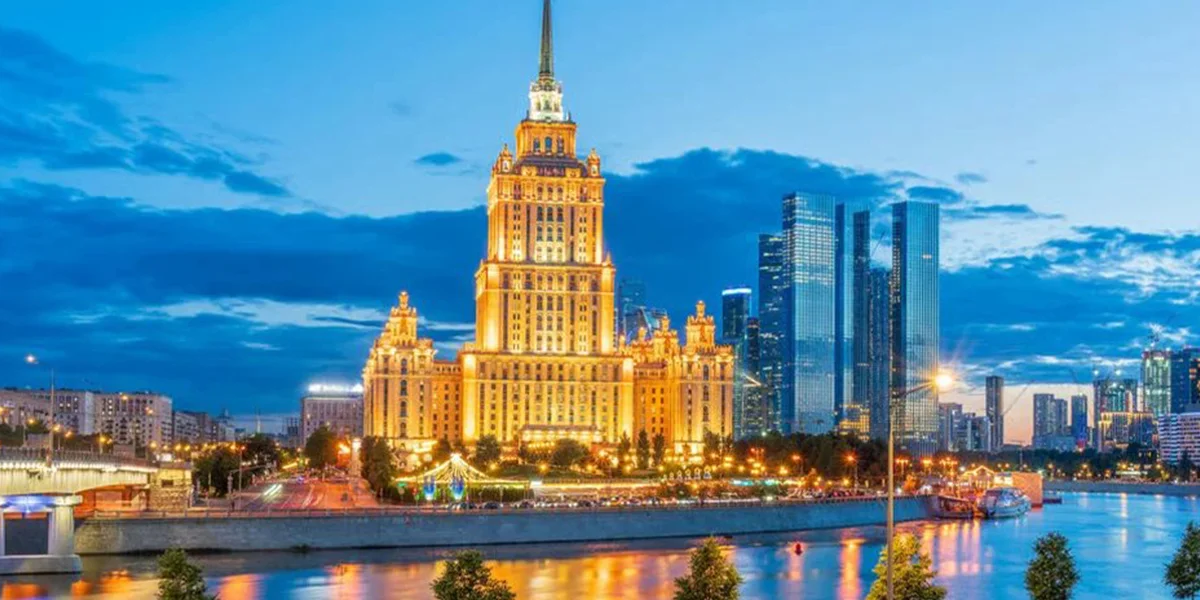
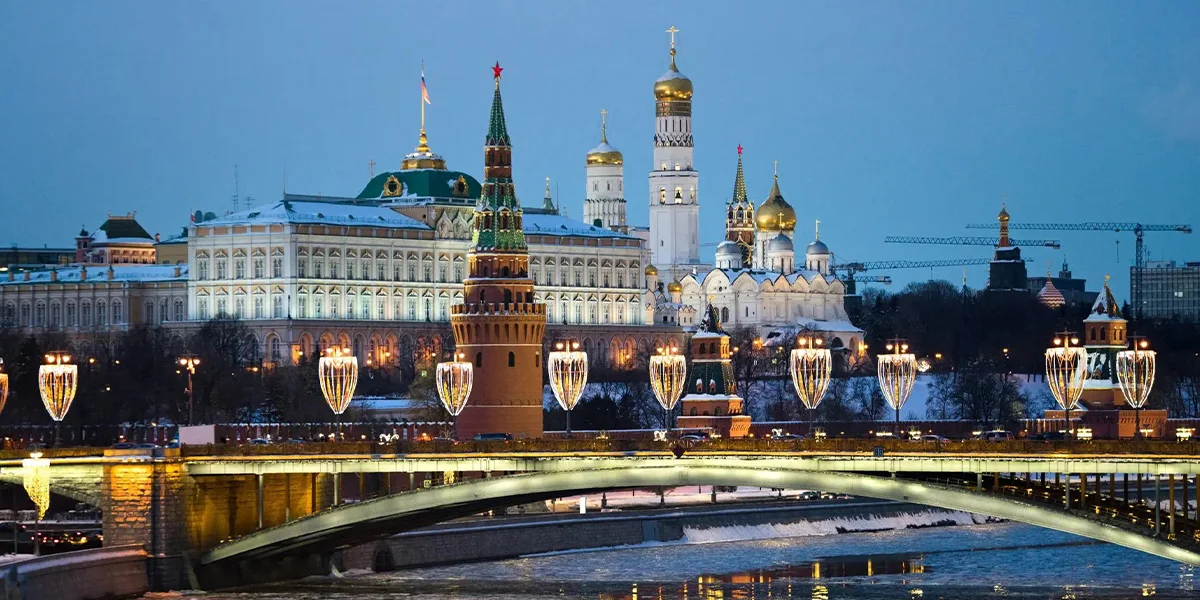
The best time of the year to sightsee, visit festivals, and have long days is summer (June to August). There are special experiences in winter, snow-covered cities, ice festivals, visits to winter sports. It is cold, but there is something special in winter. The Planning a Trip to Russia should be determined by the interests of the travelers.
Shoulder Seasons for Fewer Crowds
Spring (April-May) and fall (September-October) have less tourist traffic, prices are moderate, and the weather is pleasant due to favorable conditions in most of the areas. These seasons are very comfortable and not expensive.
Budgeting and Daily Expenses
Is Russia Expensive for Tourists?
Costs vary widely by city. Moscow and St. Petersburg are costly particularly in terms of accommodation and meals whereas the cities in the regions are very cheap. Transport and museums are affordable.
Cash and Card Usage
The bigger cities embrace the use of cards though the smaller towns, local markets and even the public transport in the remote areas still require cash. There are ATMs in large amounts, and access to international cards is to be verified prior to arrival.
Language and Communication
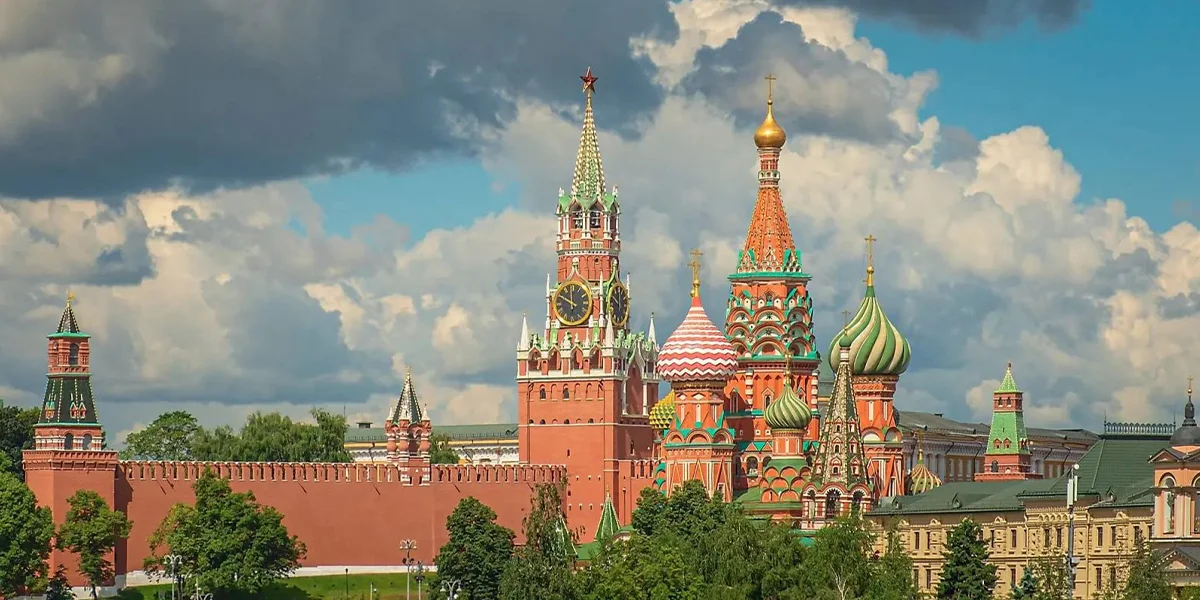
English Availability in Russia
Tourist areas, hotels, and airports use English less frequently, whereas, other places use it. Simple learning of Russian expressions or speaking English with translation applications can significantly enhance the everyday communication.
Navigation and Signage Challenges
The Cyrillic is commonly used on Metro systems and on street signs. The English transliterations have been introduced into many transport systems, yet offline maps and navigation applications are still highly encouraged.
Getting Around Russia
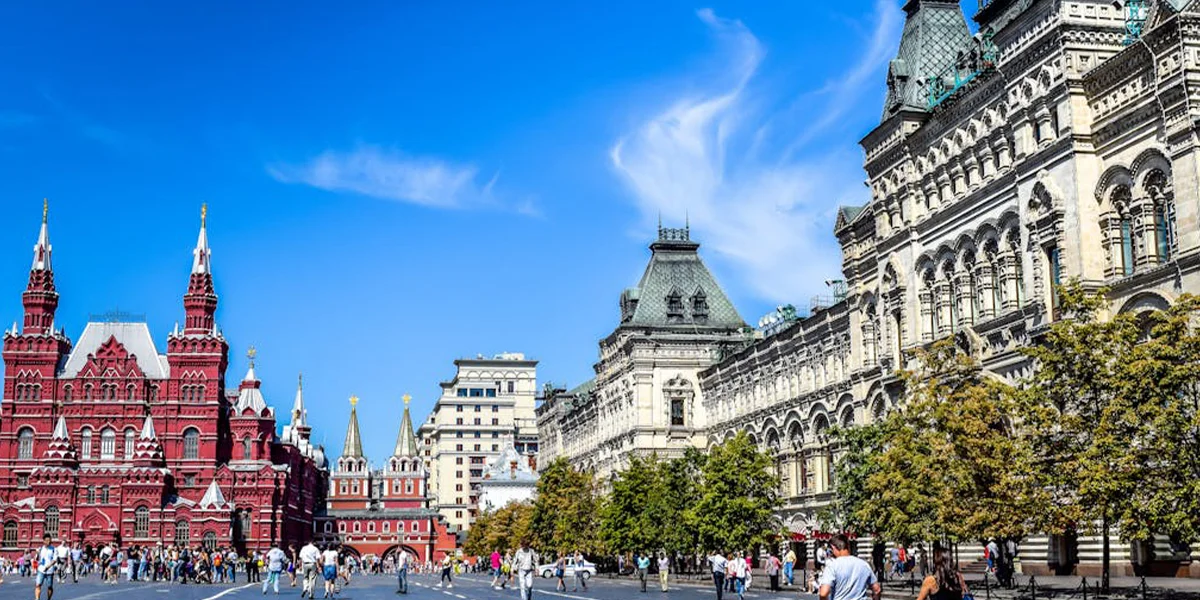
Public Transport in Major Cities
The Moscow and St. Petersburg have effective metro systems that are affordable, safe, and ideal in terms of time. Cities are also convenient when it comes to buses, trams, and ride-hailing applications.
Long-Distance Travel Between Cities
The rail system in Russia is well-developed, and trains made overnights between major destinations. Long distance flights are time saving by use of domestic flights whereas trains are more scenic and cultural.
Safety and Local Laws
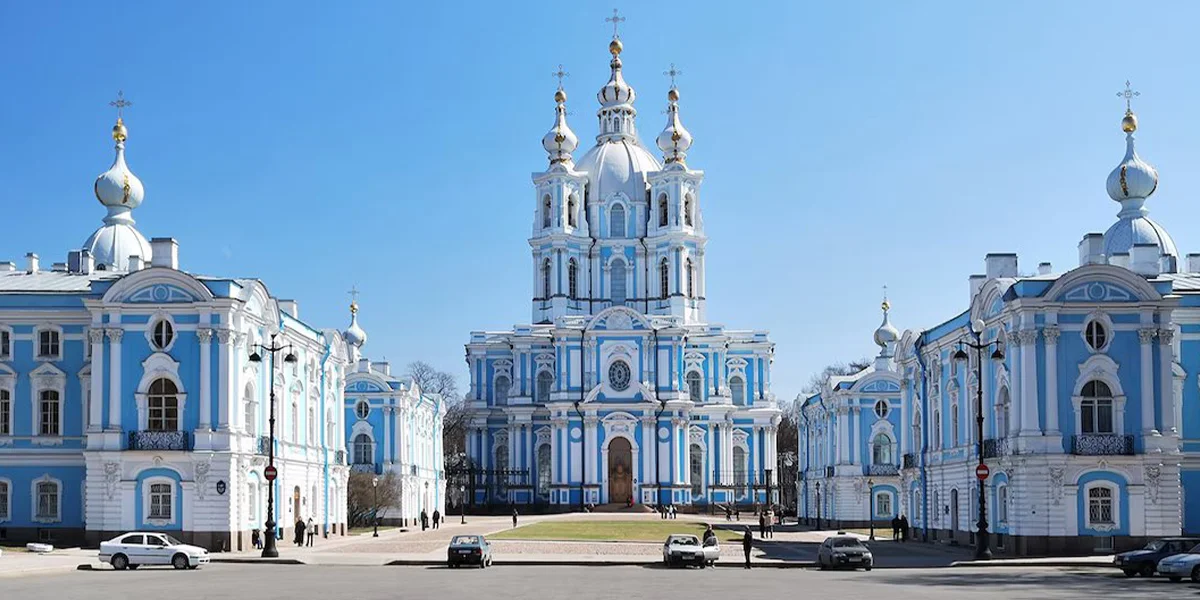
General Safety for Tourists
Tourism is normally safe in Russia but in the main parts. Ordinary precautions such as not going to poorly lit locations at night or not leaving valuables are enough as a rule.
Laws Tourists Should Be Careful About
There are strict laws that regulate protests, taking pictures at sensitive sites, possession of drugs and the conduct of the people. Always carry the identification and observe the local rules while Planning a Trip to Russia.
Cultural Etiquette and Social Norms
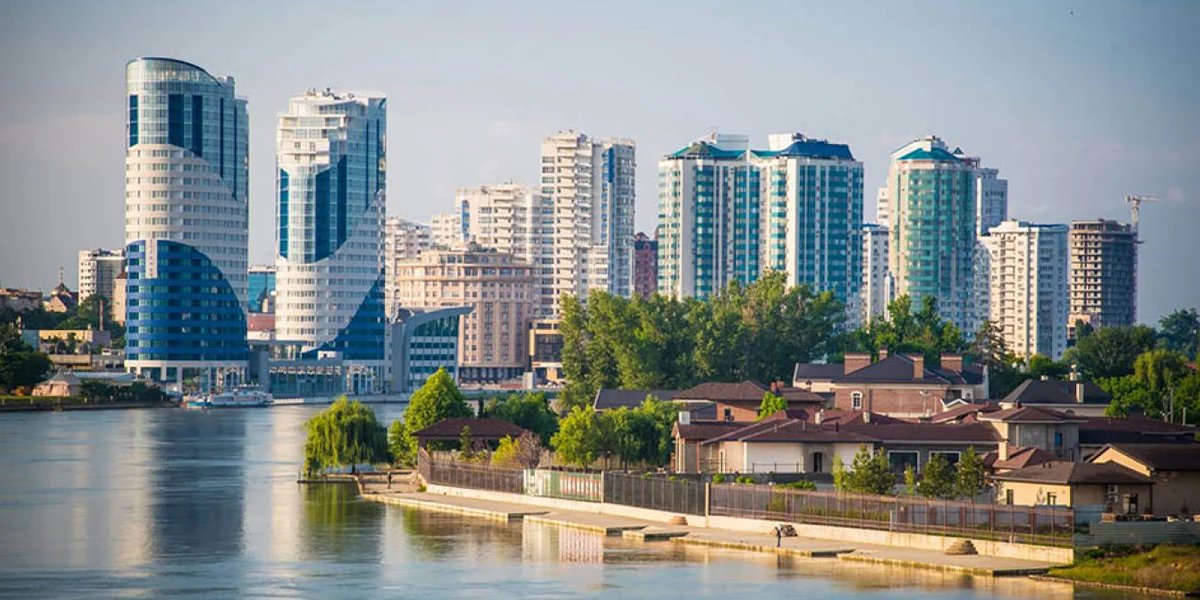
Dress Code and Public Behavior
Russians take care about the cleanliness, particularly cities. Wearing good clothes is regarded as a respect. The behavior of the people is introverted especially in a transport system.
Cultural Do’s and Don’ts
There should be no loud conversations, no queues in respect and no taking off shoes when entering the houses of private people. Shakes are acceptable forms of greetings and smiling at strangers without the reasons is not common.
Food and Dietary Considerations
What Kind of Food to Expect
Russian food consists of staple food items like borscht, pelmeni, blini and other types of food based on meat and potatoes. Bread and soups are common in the regions.
Vegetarian and Special Diet Options
Major cities are becoming very vegetarian, but small areas are scarcely so. Vegan and gluten-free travelers are advised to do some research before traveling and bring their snacks with them when they are traveling locally.
Top Ten Things to Avoid as a First-Time Traveler.
Overpacking and Misjudgment of Weather.
The weather in Russia may change rapidly. The use of packing layers, as opposed to heavy clothing, will enable travelers to adapt with ease in case of Planning a Trip to Russia.
Violation of Local Rules and Procedures.
The inability to comprehend the visa regulations, registration procedures as well as local legislation may lead to undue stress. Advance preparation is key.
Common Mistakes First-Time Travelers Make
Overpacking and Weather Misjudgment
Purchasing accommodation, transport and tickets in advance will assist in avoiding last-minute difficulties. Medical emergency travel insurance is highly encouraged.
Ignoring Local Rules and Procedures
Although good planning is made, some changes may happen accidentally. It is a flexible attitude, which enables travellers to have a good time traveling and adjusting comfortably.
In summary, planning a Trip to Russia is paying off those that travel to the country with great history, culture and memorable landscapes. A Russia tour is one of the most rewarding travel experiences that one can have in lifetime with adequate preparation and awareness.



Leave a comment:
You must be logged in to post a comment.