



By, Gokite Tour
- 2.0k Views
- 7 Min Read
- (0) Comment
What Are the Must-Visit Temples and Historical Sites in Myanmar?
Myanmar is the country where spirituality and history merge into one with exceptional constructions and traditions of centuries. The country has glittering pagodas to ancient cities and this provides a complete cultural experience to the travelers who want to have a meaningful experience. The Temples and Historical Sites in Myanmar are the evidence of strong Buddhism beliefs, royal traditions, and artistic excellence which have influenced the country throughout the generations. These are not only the pilgrimage sites but also history enthusiasts who want to visit the rich and less visited heritage of Southeast Asia.
Myanmar Tour Packages offers an easy entry to the most iconic pagodas, archeological sites, and ancient capitals to the travelers intending to explore the culture of Myanmar. Properly designed tours help travelers to visit religious sites, historical monuments, and lively cultural customs of Myanmar so that they can discover a perfect place of contemplation and spirituality.
Iconic Temples and Pagodas
Ancient Pagodas and Monuments
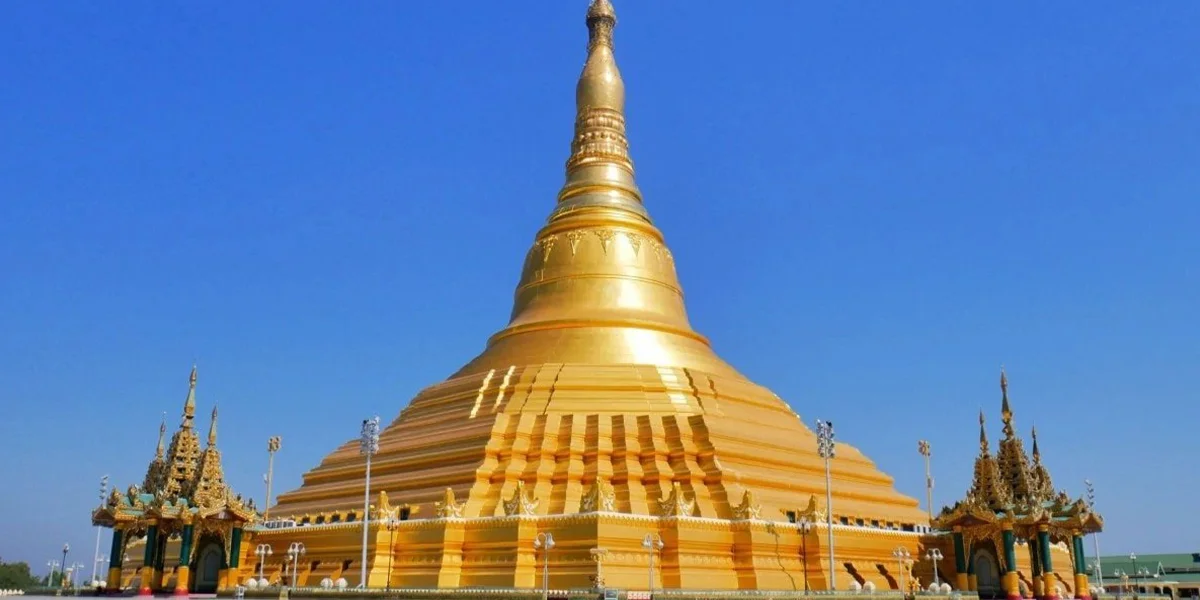
The land of Myanmar is covered with great pagodas, which convey centuries of religious devotion to the country and architectural creativity. The Shwedagon Pagoda in Yangon is a golden icon of religion, which is considered to be among the most sacred Buddhist places in the nation. Likewise, Sule Pagoda is located at the center of Yangon and is a blend of spirituality and the environment of the colonial times forming a distinctive culture.
Further north, the Kuthodaw Pagoda is also renowned in that it holds the largest book in the world engraved on marble slabs. The architectural style of every pagoda is unique, gilded stupas, carved stone buildings are in the spotlight of the variety of the historical impact on Myanmar. Not only are these locations pilgrimage destinations, they are also crucial landmarks that describe the religious and artistic history of the country. Tourists that visit these temples and historical sites in Myanmar usually come away with a profound understanding of the spiritual and cultural richness of the country.
Temple Complexes
The temple complexes of Myanmar are one of the primary attractions of the tourists who want to learn more about the history of this nation. Bagan Archaeological Zone: Bagan has more than 2,000 pagodas and temples, which provide the breathtaking landscape of sacred monuments, with many dating back to the 11th and 12 Th centuries. The most renowned among them is the Ananda Temple that is known to be symmetrical and is adorned with exquisite Buddha figures, and is a representation of the finest architectural work in Bagan.
The Shwezigon Pagoda is another interesting place that was used as an example of the subsequent Burmese stupas and contains ornate gilted decorations. These expansive sacred areas do not only enrich the spirit, but also offer a cultural education where visitors can experience the centuries-old Buddhist culture of Myanmar. No matter the means of exploration be it by foot, bicycle or hot air balloon, the temple complexes provide a relaxing, yet fascinating, insight into the historical and religious core of the nation.
Historic Cities and Ancient Kingdoms
Former Royal Capitals
The historical cities of Myanmar are in fact living memorials to the royal heritage. The Mandalay Palace that used to be the residence of the Burmese kings still displays the magnificence of the last royalty through its fortified walls and wooden structure. Those who visit the palace grounds can trace the royal life and ceremonies of the ancient times that influenced the country.
Next to it, there is Inwa (Ava) and Amarapara, where are the remains of old dynasties, including the ruins of a palace, monastic facilities, and old city plans. Exploring these old capitals, visitors get the idea about the way in which political and religious life were connected in developing the rich Myanmar history. Another feature offered by these sites is the premeditated layout of the ancient cities, the well-thought-out streets, waterways, and ritual areas that demonstrate the greatness of the past.
Archaeological Zones
Myanmar is known to have archaeological sites which are UNESCO recognized sites that conserve the remains of ancient civilizations. The Bagan UNESCO World Heritage Site is a must see place, with thousands of temples, stupas and pagodas, set against a dramatic landscape, being able to provide an unrivaled visual and spiritual experience. The early urban planning and cultural activities of the earliest civilizations of Myanmar can be found in the Pyu Ancient Cities, Beikthano, Halin, and Sri Ksetra.
Tourists visiting these historical relics are able to visit ancient city walls, monasteries and temples and learn about the historical continuum of the country. These are heritage sites that are highly preserved by UNESCO to demonstrate religious piety and administrative success of the ancient societies. These archeological sites are mandatory destinations of travelers who explore Myanmar and can fully enjoy the historical background of the country and its culture.
Cultural and Religious Heritage
Monasteries and Learning Centers
In Myanmar there is no simple worship in monasteries, monasteries are educational and spiritual and communal. The Mahagandayon Monastery provides a visitor with an insight into the life of Buddhist monks, such as alms rounds, meditation, and academic life. The Shwenandaw Monastery is an interesting blend of historical architecture and monastery traditions with its elaborate teak carvings that do not lose the craftsmanship of centuries past.
Spiritual activities and monastic lifestyle give the visitors a profound insight into the Myanmar religious piety and social values. Such monasteries are also learning and meditation centers, where one is encouraged to incorporate faith with everyday life. By visiting these temples and historical sites in Myanmar, the tourists can observe a living cultural heritage whereby it coexists with modern development.
Museums and Cultural Centers
The museums and cultural centers in Myanmar have a crucial role to play in terms of preserving the historical artifacts and recording the rich heritage of the nation. The National Museum of Myanmar in Yangon is a large museum with a collection of royal regalia, religious objects, and historical documents, which are used to provide a visitor with an informative picture of the Burmese history. The Bagan Archaeological Museum is used to supplement the visit to temples with ancient relics, inscriptions and archaeological findings in the Bagan area.
These buildings do not only give a background to the temples and the historical sites, but also show the successes of the civilization of the past in terms of art, architecture and administration. When they visit the cultural centers of Myanmar, travelers get to understand more about the development of this country, which makes their tour more productive and memorable. To a tourist who wants to explore the history at its fullest, visiting the temples and then going to the museums is a sure way of enjoying a wholesome tour of the spiritual and cultural history of the country.
Frequently Asked Questions:
At least 7-10 days will be needed to do an exploration.
Yes, majority of temples and historical places are open all year round.
There are small outfits that should cover shoulders and knees and shoes should be taken off.
Yes, guided tours increase the knowledge of historical and religious meaning.
Of course, numerous ancient sites are located close to urban centers that is why integrated tours can be very convenient.
Conclusion
The visit to Temples and Historical Sites in Myanmar is the way to provide the traveler with the deep insight into the spiritual depth and the historical richness of this country. Regardless of ancient pagodas and royal capitals, each site tells an account of worship, craftsmanship and mighty kingdoms, which are listed in the UNESCO list of archaeological sites. These heritage sites are not only a reminder of the past of Myanmar but also they still have a role to play in the day-to-day life, traditions, and religious practices that has created a significant linkage of the past with the present to every visitor.
An organized Myanmar Tour gives the visitors an opportunity to explore these amazing locations in a smooth and fulfilling manner. The visits to the temples can be accompanied by the visits to cultural centers and historic cities, which will allow the visitor to enjoy a balanced trip that is to mention, both spiritual and historical heritage. This considerate strategy will make the traveling experience unforgettable based on the discovery, learning process, and the appreciation of culture.



Leave a comment:
You must be logged in to post a comment.