



- 2.0k Views
- 7 Min Read
- (0) Comment
Prague is the city that offers first-time visitors cobbled streets, storybook architecture and centuries of preserved heritage everywhere. When one walks through historic quarters, one gets the impression that he or she is walking through living history, with Gothic, Baroque and Renaissance structures coexisting in perfect harmony. It is a classic ambiance that has been created by kings and artists and makes sightseeing an educational and memorable experience to all the travelers in the world.
To the person planning to do a Prague Tour, the city provides a perfect backdrop of the Central European culture and architecture. Exploring the Historical Landmarks in Prague is a discovery of the medieval square, royal complexes, and religious places that narrate a strong story of perseverance, innovation, and generations that are appreciated by tourists globally today.
Iconic Landmarks in Prague’s Old Town
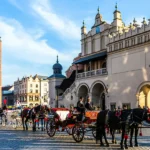
The Old Town of Prague is the main center of the city history, with its cobblestone pavements, colourful architecture, and several hundred-year-old open spaces. The first-time visitors are presented with the most familiar sites in this area and the classical ambiance of the Czech capital.
Old Town Square
Astronomical Clock
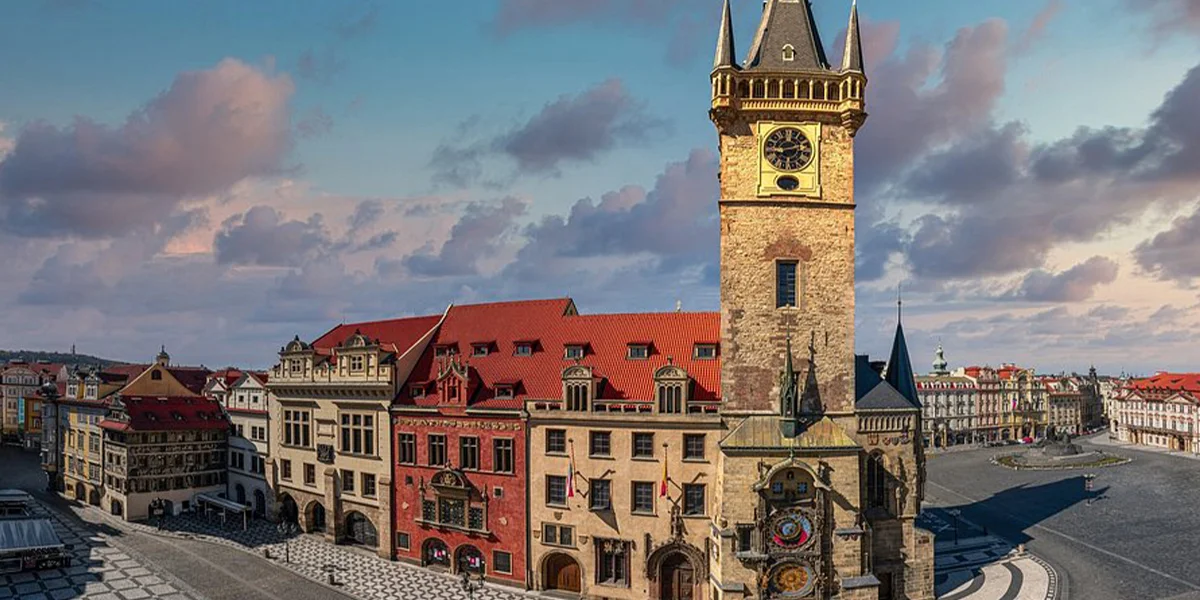
One of the most popular medieval timepieces in Europe and a tourist attraction to any visitor of the Old Town is the Astronomical Clock. It was installed in the 15th century and it shows astronomical information, calendar, and other symbolic figures which bring to life every hour, and this represents the scientific and artistic heritage of Prague.
Historic townhouses

Around Old Town Square, there are well-preserved historic townhouses, each of which represents a particular architectural period. These buildings, which were originally Gothic, then Baroque and Renaissance, may be used to understand how the prosperity of Prague and the variety of cultures enriched throughout centuries.
Charles Bridge
Gothic statues
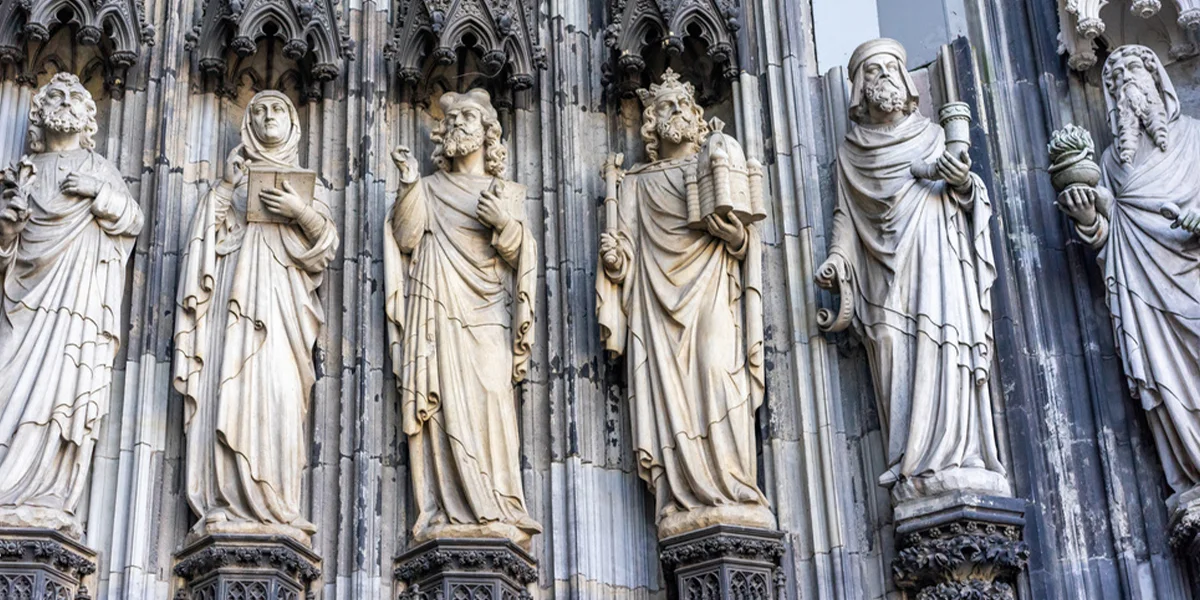
Charles Bridge is also flanked by a spectacular row of Gothic and Baroque statues of saints and religious personalities. The sculptures installed in the 17th-18 th century turned the bridge into a kind of an open air gallery and reflect the high artistic and spiritual culture of the city.
Vltava River views
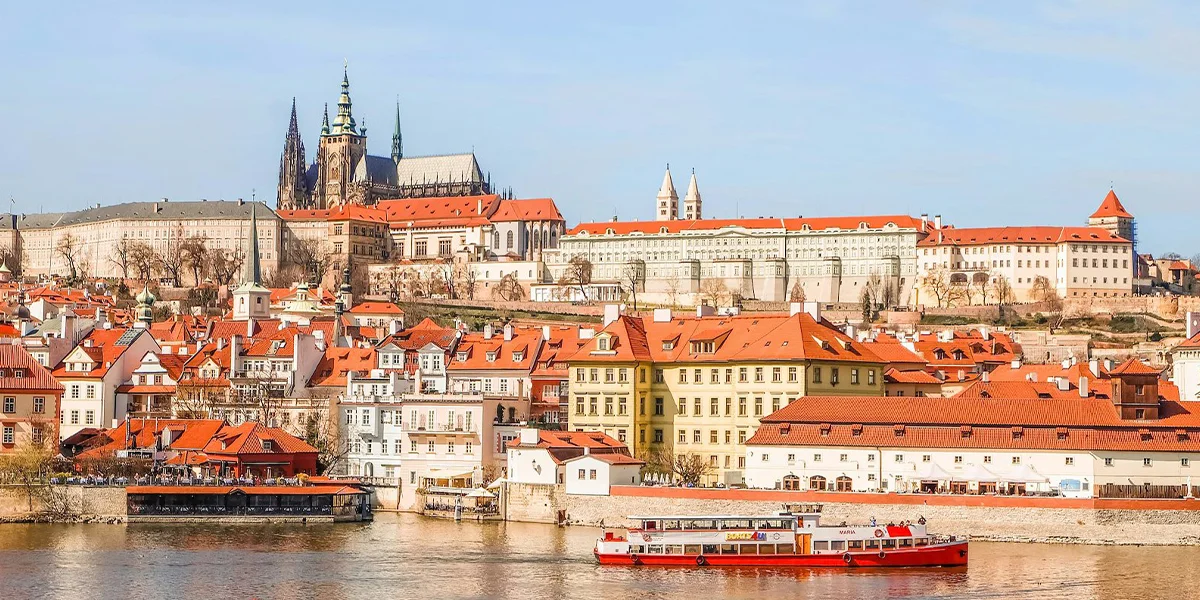
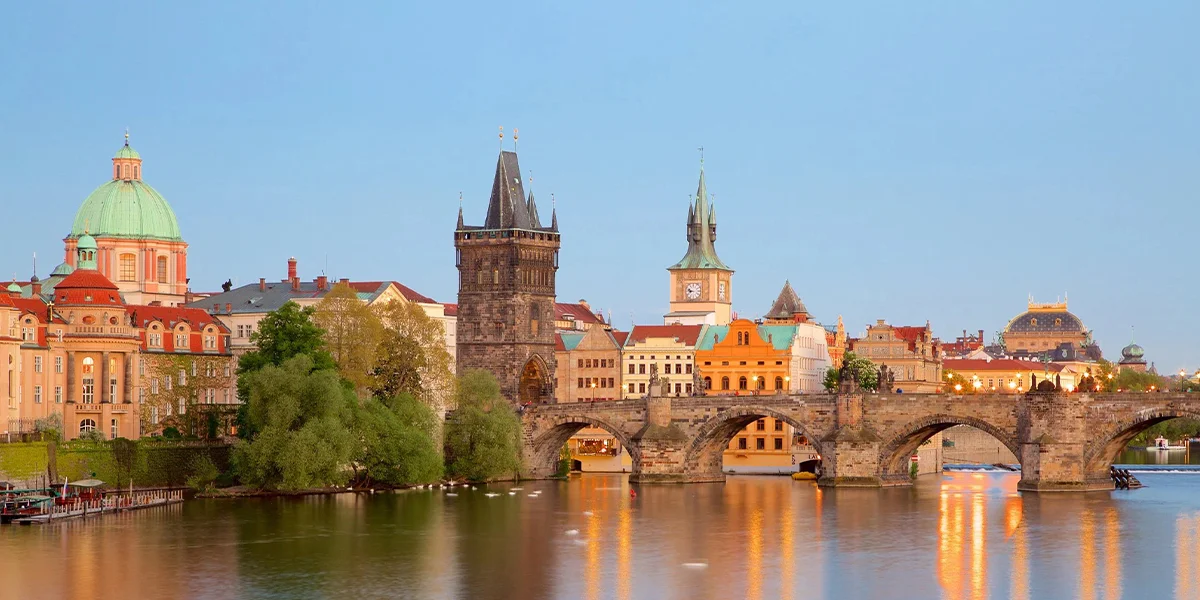
Charles Bridge is where the Vltava River passes, which provides the unforgettable sight of the skyline of Prague. During the dawn and dusk, the viewer can see the towers of the castles, their domes, and red roofs in the water, which symbolizes the romantic image of the Historical Landmarks in Prague.
Castles and Royal Architecture
The Prague royal history is closely related to the marvelous castles and aristocratic quarters of Prague. These grand structures point out the significance of the city in centuries as a political and cultural hub in the Central Europe.
Prague Castle Complex
St. Vitus Cathedral
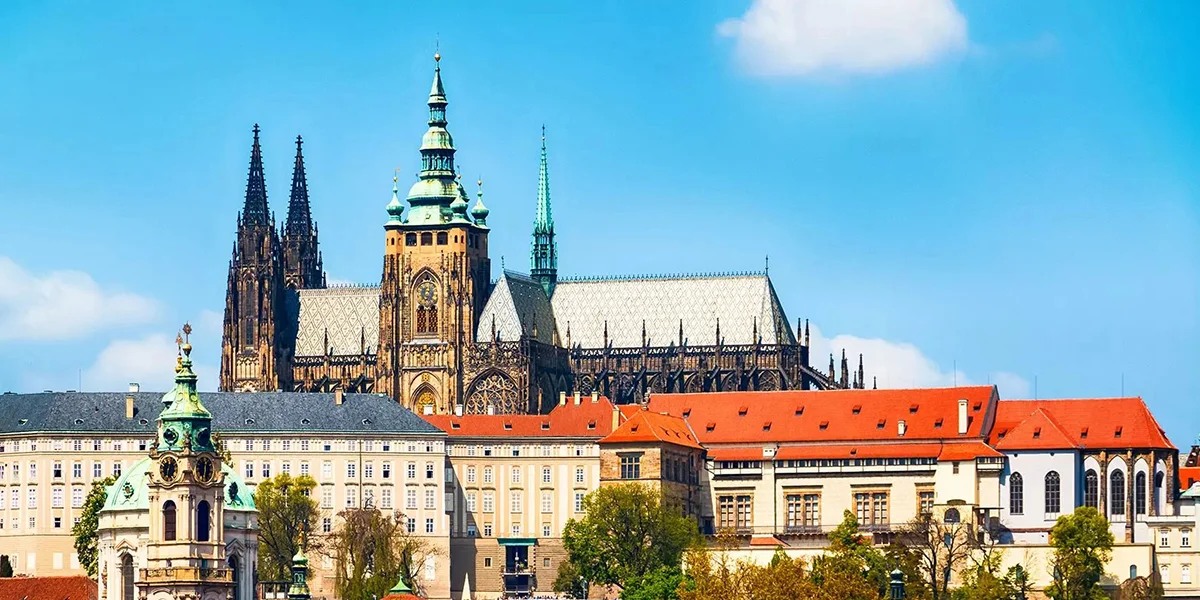
The St. Vitus Cathedral is the spiritual center of the country and a masterpiece of the Gothic architecture. Centuries of making, faith and royalty are demonstrated in its tall spires, beautiful stained-glass windows, and royal tombs, which make it one of the most important sacred structures in the city.
Old Royal Palace
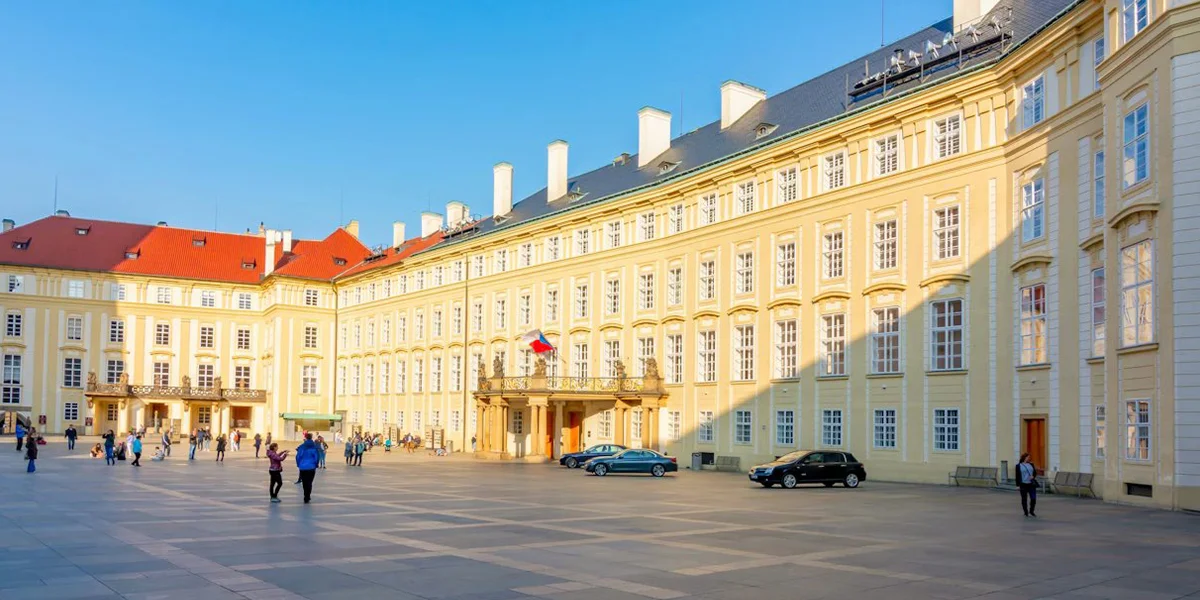
The castle complex has the Old Royal Palace which displays medieval halls and royal chambers where Bohemian kings used to reign. Its majestic Vladislav Hall, where the kings were crowned and other state occasions took place, gave the observer a peep into the royal life and the political influence Prague used to have.
Lesser Town Historic Area
Baroque buildings
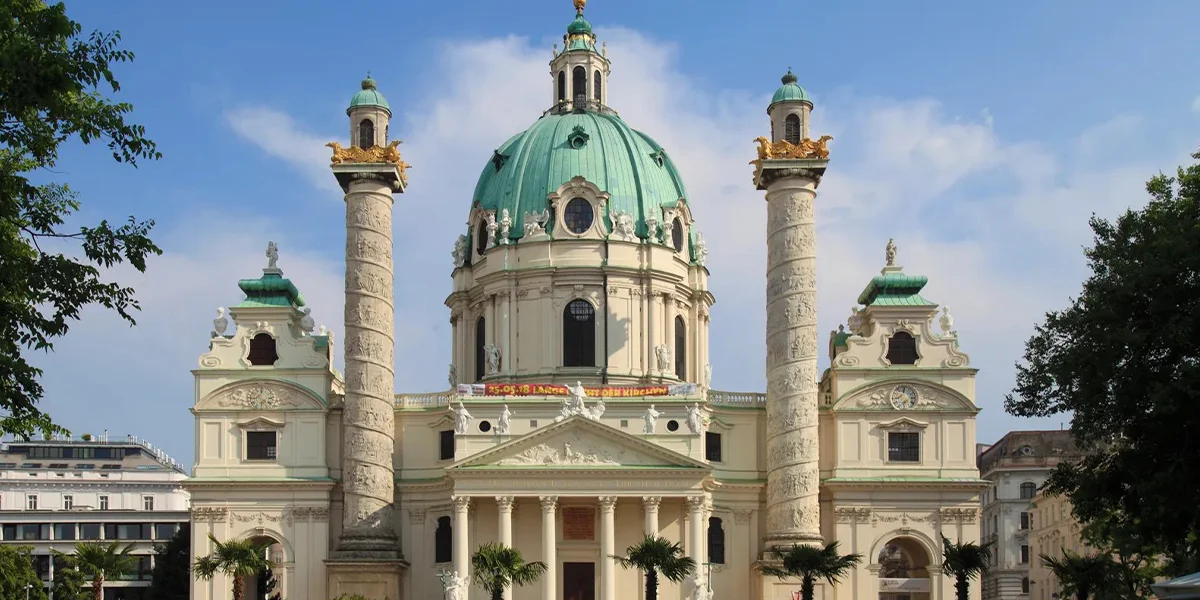
Below the Prague Castle is the Lesser Town which is well known due to its beautiful Baroque architecture. Its streets are lined with palaces, churches and townhouses; evidence of an artistic renaissance and aristocratic influence that redefined the region following the renaissance.
Medieval streets
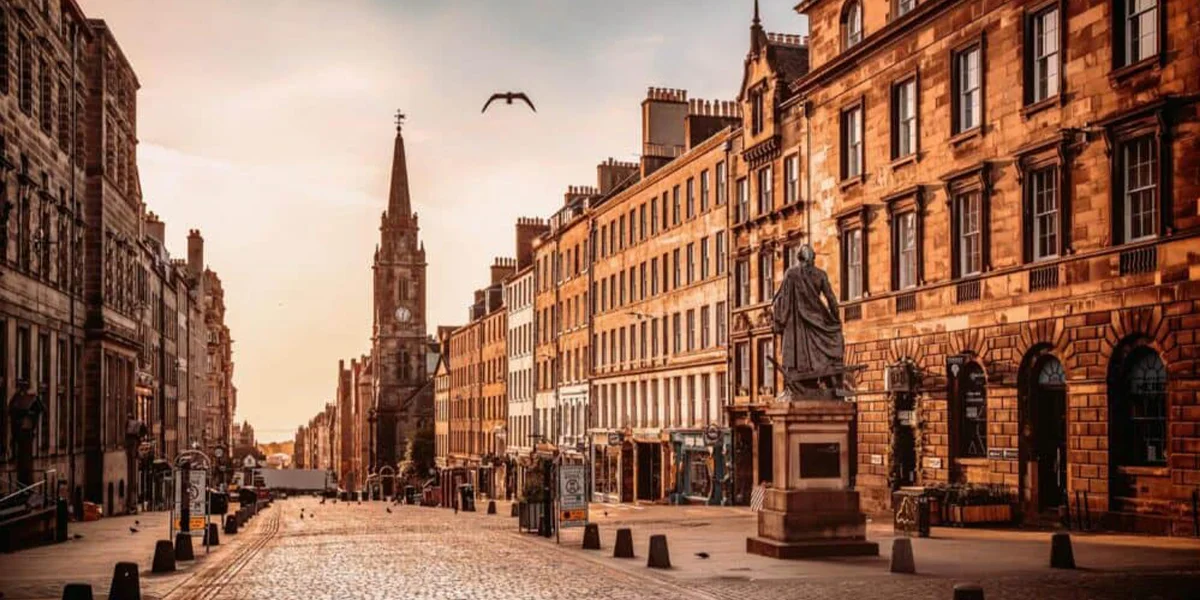
The narrow streets of the Lesser Town make one feel like you have gone back in time. These spiral streets maintain the original structure of the area, which makes the visitors feel Prague as it was centuries ago, with its original textures and historical flair.
Religious and Cultural Heritage Sites
Prague has been shaped mostly by religion and culture. The churches, synagogues, and sacred spaces in the city reflect meticulousness of the spiritual diversity of the city and its artistic success at varying periods of time.
Historic Churches and Cathedrals
Church of Our Lady before Týn
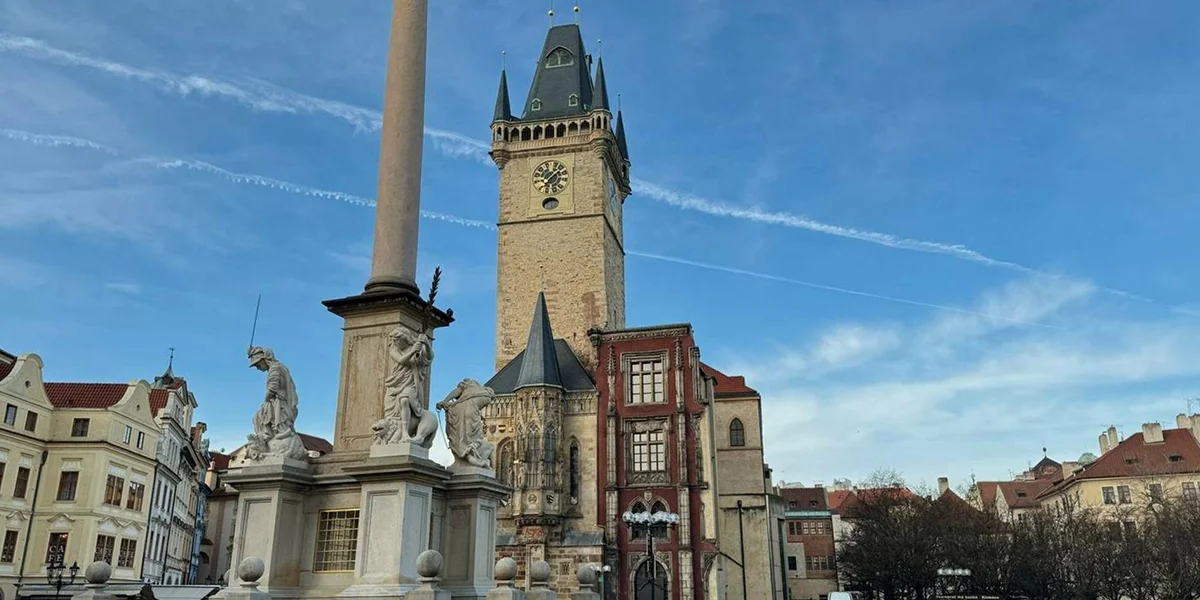
The Church of Our Lady before Tyn is the most noticeable building in the skyline of Old Town and is immediately noticeable due to its twin Gothic spires. The symbolism of this landmark is that Prague was a prosperous city and had a religious importance during the Middle Ages and its decorative interiors are the sign of centuries of worship and artwork.
St. Nicholas Church
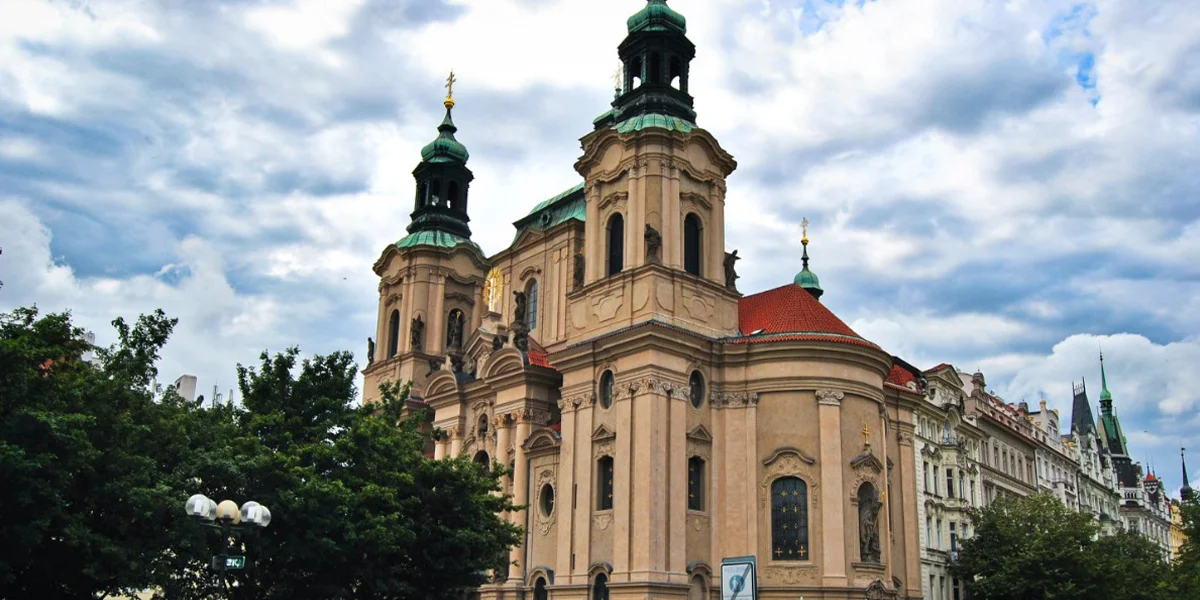
The example of the Baroque architecture is the St. Nicholas Church of the Lesser Town. Its great dome, decorative frescoes and great organ show the artistic confidence of the Baroque and continue to provide a venue of much importance to classical music and other cultural events.
Jewish Quarter (Josefov)
Old Jewish Cemetery
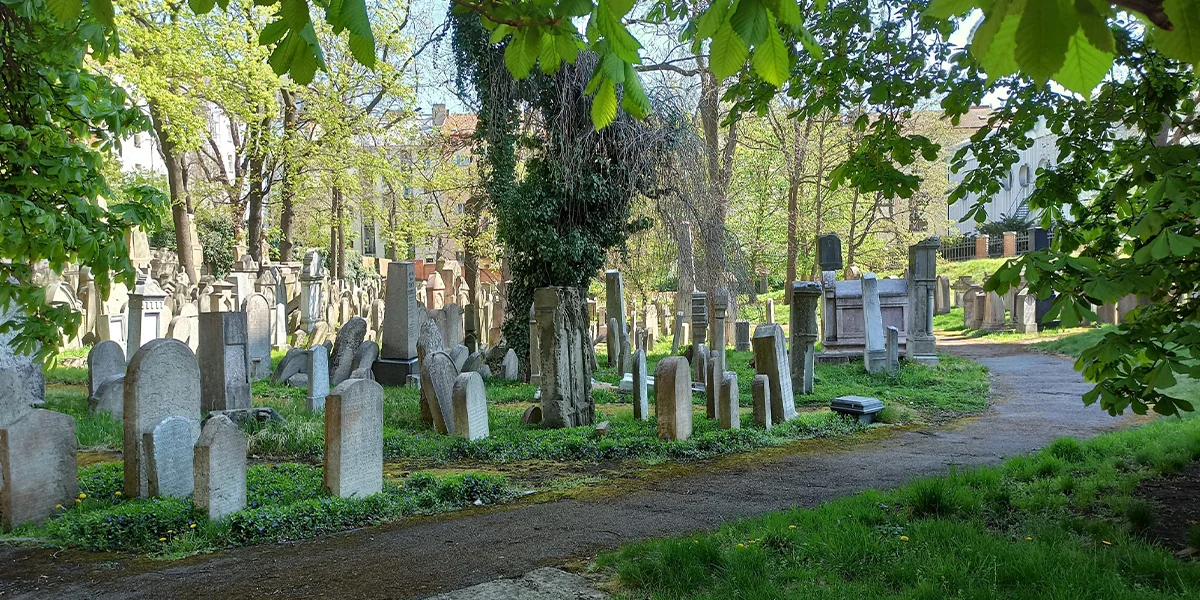
The Old Jewish Cemetery is a very touching historical place of Prague. It narrates the tale of the strength, the culture and centuries of limited living quarters of the Jewish community with thousands of gravestones piled atop each other.
Historic synagogues
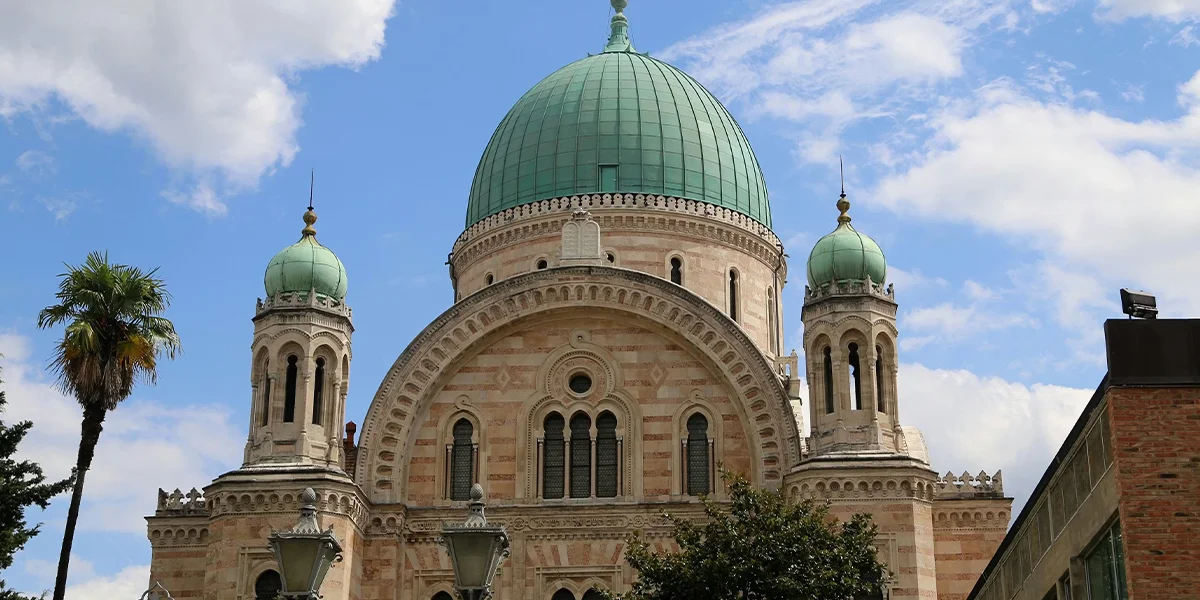
Josefov is a place where a number of historical synagogues exist, and each of them has a different design style and era. These are religious structures that hold religious artifacts, manuscripts and exhibitions that are used to record the Jewish life in Prague, which adds more layers to the multicultural history of the city.
Historic Squares and Streets
In addition to the great monuments, the historic squares and streets of Prague demonstrate the way the life of the people was evolving in terms of trade, politics and social changes. The regions remain vibrant as meeting places up to date.
Wenceslas Square
Cultural significance
Wenceslas Square has been a place of the general life since long time, feasts and protests. It is full of historic buildings, shops and cultural institutions and represents the, at once, medieval marketplace turned into a contemporary urban boulevard in Prague.
Modern history
The square was also an important element in the history of the 20th century especially when it came to political movements and national reforms. Monuments and memorials here remind people of the not so far past of Prague and relate the current events with the older Historical Landmarks in Prague.
Golden Lane
Medieval houses
Golden Lane is also known because of its small houses which are colorful and are situated within the castle walls. Initially, these residences were designed to house castle guards and craftsmen and thus depict a picture of simple living standards and old-fashioned artisanship of previous centuries.
Castle-era lifestyle
The visit of the Golden Lane can help to learn more about the life of the time of the castle in Prague. With furnished interiors, workshops and exhibits, one can see how the residents worked and lived, which brings a human touch to the majestic royal history of Prague Castle.



Leave a comment:
You must be logged in to post a comment.