



By, Gokite Tour
- 2.0k Views
- 7 Min Read
- (0) Comment
What Are the Top Historical Attractions to See in Malta?
Malta is a Mediterranean jewel that boasts of a rich history which is evident in historical treasures. The island has a myriad of attractions where a traveler can explore its rich cultural tapestry; this is seen in the ancient temples and in the fortified cities. Malta tour is a well-planned event that enables the tourists to immerse into history and discover the stories that are thousands of years old. Malta is a unique tourist destination that offers a temporal voyage of the prehistoric, medieval and Baroque structures to both a casual tourist and the history students alike.
A visit to the quiet streets of Mdina or the visual effects of the fortifications of Valletta will find that the traveler is amazed at how Malta manages to hold on to the past and still be alive. With so many historical attractions to see in Malta, it’s essential to plan carefully to experience the highlights. Blending sightseeing and cultural touring, tourists can learn to appreciate even more the role of Malta in the development of the Mediterranean history. In Gozo, to the main island, it is a different story in each place that is yet to be explored.
Ancient and Archaeological Sites
Megalithic Temples
Ġgantija Temples (Gozo)
The Ġgantija Temples are some of the oldest independent structures in the world and are situated on the island of Gozo. Constructed in 36003200 BCE, these giant temples of stone demonstrate high-level prehistoric engineering and religious value, and they are the place that everyone should visit when exploring the historical sites in Malta.
Ħaġar Qim
Ħaġar Qim is a great megalithic temple complex on a hill overlooking the sea built in 3600 BCE. Its stone carvings and ceremonial chambers are quite complex and show the spiritual life of the first inhabitants of Malta which gives much information about the architecture and ritual life of the prehistoric times.
Mnajdra Temples
The Mnajdra Temples, found close to Ħaġar Qim, have been known to have astronomical alignments. These ancient buildings show that the Early Maltese people knew the early heavenly phenomena. The visitors can be amazed by the exact construction and observe the meticulous stone constructions of the temple, which are among the most interesting historical attractions to see in Malta and survived the millennium.
Hypogeum and Underground Structures
Ħal Saflieni Hypogeum
The Hypogeum of Ħal Saflieni is a remarkable underground cemetery, which was built in 4000 BCE. It is a unique experience to view the spiritual and ritual life of the ancient inhabitants of Malta due to this underground complex of rooms, corridors, and ritual spaces.
Ancient Burial Chambers
In Malta, there are numerous burial chambers that provide an insight into ancient funerary practices in Malta. These underground buildings have a tendency of containing elaborate carvings and well-organized stones with the importance of worshiping ancestors and performing rituals in the Maltese society in the early times.
Prehistoric Ritual Spaces
Most of the prehistoric ritual places in Malta depict the spiritual heritage of the island. These well preserved locations were employed in rituals and social events and worship, which offered a very intriguing insight into the earliest civilizations in Malta and their advanced social organization.
Historic Cities and Fortifications
Mdina – The Silent City
Mdina Old City
Mdina, a place also known as the Silent City, is a walled medieval town that provides an experience of traveling through the time. Its narrow streets, old palaces and peaceful environment offer one of the rare chances to get to know the historical sites of Malta in a very slow fashion.
Mdina Bastions
The Mdina Bastions provide an extensive view of the country. These are great fortifications that in the past used to defend the city against invaders and are a monument today of the strategic value of Malta in the history of the Mediterranean, which draws military architecture enthusiasts.
Medieval Streets and Gates
The gates and the streets of Mdina are in unbelievable condition, representing the medieval design and art. By taking these lanes, the visitor can feel the originality of the city with its old stone-made buildings and old portals and really get into the atmosphere of the historical process.
Valletta’s Forts and Bastions
Fort St. Elmo
Fort St. Elmo, which was on the end of Valletta, played a significant role in the Great Siege of 1565. The great bastions, the strategic position and the well-maintained walls can help bring out the military history of Malta, which is the main attraction of the military history of Malta.
Fort St. Angelo
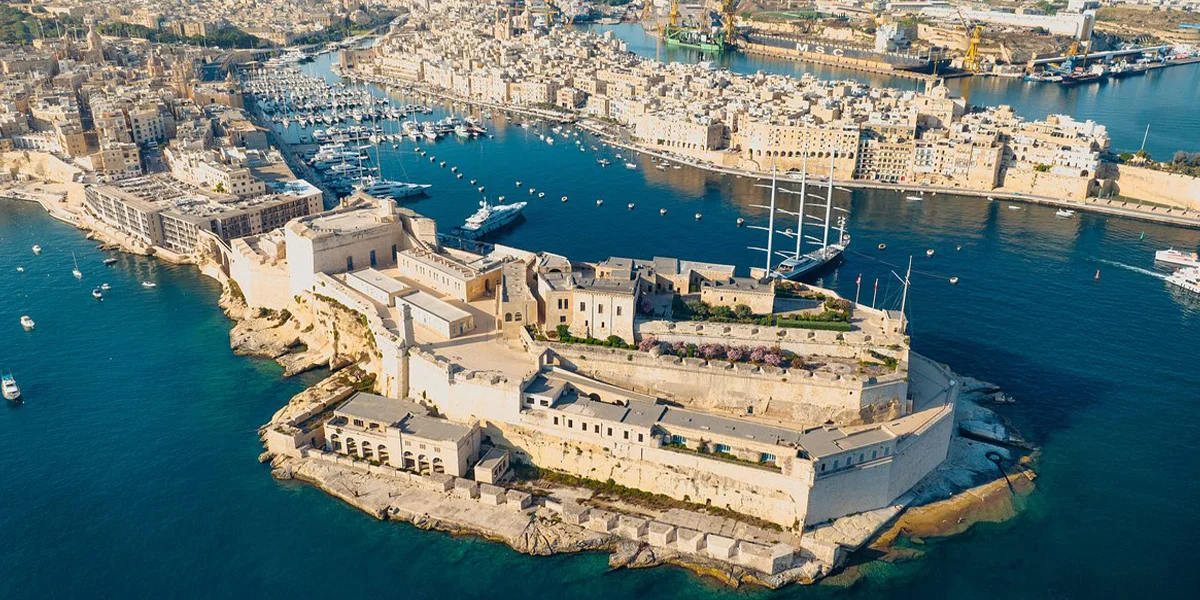
The Fort St. Angelo that ruled the waterfront of Birgu was also a major military fort that had been there centuries. Its vast bastions, ramparts and exhibition space give one insight to the naval defenses of Malta and the visitor can have a clear picture of the strategic importance of the island and its ability to withstand history.
Valletta city fortifications
The city walls of Valletta represent a great work of Renaissance military architecture. Taking a stroll through the bastions and ramparts, one will be able to enjoy the strategic planning of the city, its strong walls and historical value, which makes it one of the most significant historical attractions to see in Malta.
Museums and Cultural Landmarks
National Museums
National Museum of Archaeology
Malta has the most significant prehistoric objects in the National Museum of Archaeology in Valletta. Starting with temple artifacts, ancient sculptures, the history of the island can be studied by the visitors in detail, which provides a full picture of the cultural development of the island throughout millennia.
National Museum of Fine Arts
The National Museum of Fine Arts displays a remarkable collection of paintings, sculptures, and decorative art of the Malta artistic heritage. Its exhibits offer background to the social and cultural history of the island, with the impact of European and Mediterranean art.
Churches and Cathedrals
St. John’s Co-Cathedral
The St. Johns Co-Cathedral in Valletta is glorified by the grand features of the baroque architecture and the well-decorated interior. The masterpieces of Caravaggio, gilded details, and sophisticated designs are something that visitors can be proud of seeing and makes it a must-visit place because of the strong religious and artistic legacy left by Malta.
St. Paul’s Cathedral (Mdina)
A good example of Baroque religious architecture is St. Pauls cathedral in Mdina. Its rich exterior, intricate frescoes and historical importance make it a centre of attraction to people who study the spiritual and cultural heritage of Malta. As one of the key historical attractions to see in Malta, it attracts tourists who want to gain some understanding of the religious and architectural history.
Baroque religious architecture
The Baroque churches and chapels of Malta are designed or carved in elaborate style and they are of high historical importance. These awe-inspiring religious monuments display the artistic and religious heritage of the island and provide the tourist with an in-depth experience of the Maltese history in terms of culture, construction, and church history.
Frequently Asked Questions:
It can be covered in 3-5 days to see the most important historical sites in Malta.
Yes the majority of locations have activities and exhibits that can be enjoyed by everyone.
Certain tourist attractions such as Ħal Saflieni Hypogeum should be booked in advance.
Yes guided tours are contextual and add on the visitor experience.
The majority of the sites are open all year round, although spring and autumn are the most favorable.
Conclusion
Malta is a treasure trove of culture and history, offering countless historical attractions to see in Malta. Since prehistoric megalithic temples, fortified cities and Baroque cathedrals all have a story about the rich heritage of the island. Omani and other travelers can easily explore the distinct past of Malta, and it makes them have memorable experiences of culture, architecture, and archeology. Go Kite Oman is a great source of information about traveling to the Maltese islands, and one can find a lot of information there to help them plan their trip there.
Booking well-structured Malta Tour Packages ensures that visitors make the most of their trip covering both major attractions and the less-known ones. Whether exploring the narrow streets of Mdina, the history Bastions of Valletta, and the temples of Gozo, the packages are both convenient and informative and help the traveler to explore the history of Malta in a more efficient and complete way.




Leave a comment:
You must be logged in to post a comment.