



By, Gokite Tour
- 1.9k Views
- 6 Min Read
- (0) Comment
Which Temples and Cultural Sites Should Not Be Missed in Bali?
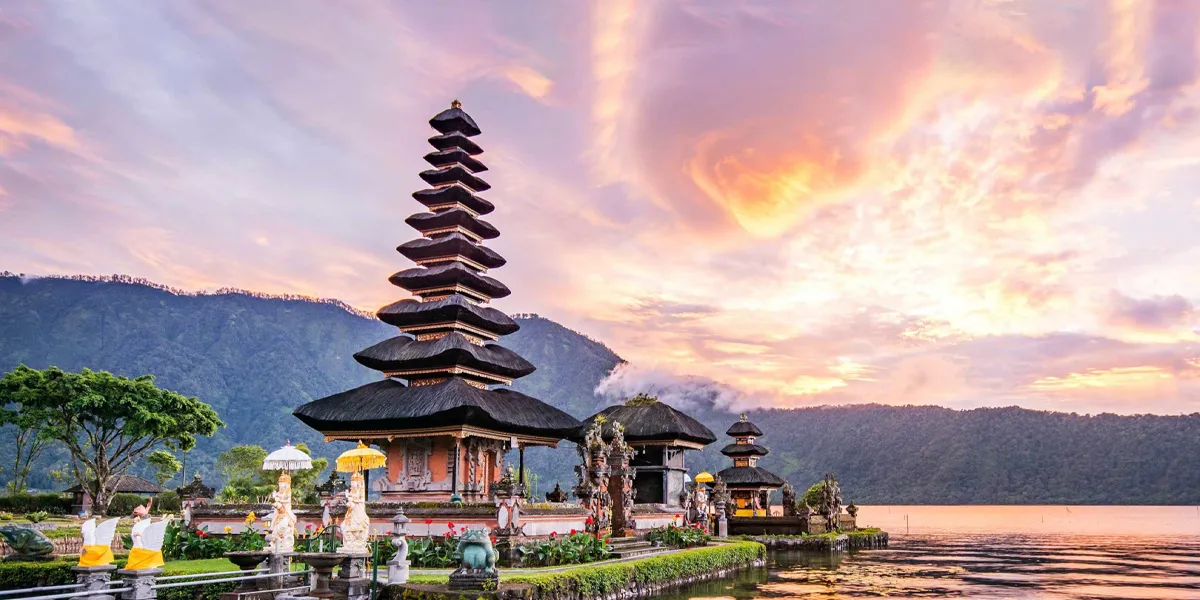
Bali has long captured the imagination of travelers with its lush landscapes, ancient traditions, and vibrant spirituality. Other than the beaches and resorts, the island is a treasure trove of heritage attractions and Cultural Sites Should Not Be Missed in Bali in case one wants to understand the beliefs and artistic activity that govern the lives of the locals. Since the dramatic sea temples to the peaceful mountain shrines, all religious places are full of centuries of devotion, narration, and architectural marvels. Tourists soon learn that sightseeing is not a mere process of visiting temples and other cultural sites but is a process of engagement with living cultures that are still in existence and still serve to shape the lives of communities.
Whether you are planning a relaxing getaway or a full cultural immersion, a well-planned Bali Tour ensures you experience the most iconic spiritual and historical sites that the island has to offer. Temples on top of cliffs, sacred water springs, craftsman villages, and royal palaces enable the traveler to observe the majesty and the customary manifestations of Balinese culture. Visiting the major heritage sites in your travelling plans will enable you to have a better insight about the identity of Bali, the stories carved on rocks, and the locals who still maintain the heritage of the island with pride and dignity.
Most Famous Temples in Bali
Tanah Lot Temple
Tanah Lot is one of the most iconic Cultural Sites Should Not Be Missed in Bali, known for its dramatic setting on an offshore rock formation. The temple is enclosed by the Indian Ocean making it inaccessible during the high tide to give the impression of floating over the waves. Its idyllic location and the relaxing effect of breaking waves makes it an impressive location to observe how the island is in touch with nature and spirituality. It is one of the most popular sunsets in Bali as every evening visitors come to this place to experience a great view of the silhouette of the temple in a variety of colors.
Uluwatu Temple
Uluwatu Temple is located on the crest of a sharp limestone cliff and has awe-inspiring views of the coastline and is one of the most sacred seas temples in Bali. The old building is devoted to the spirits that save the island against the ocean forces and is a stonework masterpiece. Towards the time when the sun is setting, tourists are able to watch the traditional Kecak dance on an open cliffside amphitheater which is located at the sea. The mix of the cultural performance, scenic landscapes, and local mythology makes Uluwatu one of the most memorable experiences visiting temples in the whole island.
Sacred Cultural & Spiritual Sites
Besakih Temple
The largest and most sacred temple complex in Bali is called Beesakih, which is also known as the Mother Temple. It is situated on the mountain slopes of Agung and is characterized with groups of shrines, multi-level meru towers and ceremony gateways that are devoted to different Hindu gods. Its sacred feeling is enhanced by the panoramic views of the adjacent valleys. Rituals and festivals here are visited by pilgrims who come in their numbers to all corners of the island and thus makes it not only a religious center but also a place of architectural wonder to locals who want to get to know more about Balinese Hinduism.
Tirta Empul Temple
Tirta Empul is known to have sacred waters and is among the Cultural Sites Should Not Be Missed in Bali especially when one wants to have a spiritual transformation. The temple was constructed around a natural spring which was said to be cleansing. Visitors and locals are equally involved in the purification ceremonies whereby they take a bath through a series of stone fountains. Observing the prayers of worshippers, offering and cleansing themselves can help the travelers to experience the living tradition and not merely the historical monuments. The cool courtyards and the moss-grown stones provide a very relaxing atmosphere.
Heritage and Historical Attractions
Goa Gajah (Elephant Cave)
Goa Gajah is an ancient archaeological site which is situated near Ubud. It is primarily characterized by the fact that this is a mysterious cave entrance undercut with mythological visages and protecting figures, which are thought to drive away evil spirits. Enter to find the ancient meditation rooms that were in use by priests and the gardens around the area display banyan trees, bathing pools, and the ruins of Hindu and Buddhist buildings. It is a very interesting place to visit as it provides a glimpse into the mixed spiritual history of Bali, and one that culture-conscious tourists will not regret visiting when they explore the interiors of the island.
Gunung Kawi
Gunung Kawi is unique in its antique rock cut shrines that are hewn out of steep cliff walls. Visitors are escorted by lush tropical landscapes and a raging river on its way to the valley floor, which makes it one of the most atmospheric heritage sites in Bali. The complex is a valuable archaeological treasure because its shrines are said to have been constructed to honor kings and members of the royal family. The spiritual atmosphere is further promoted by the silence of the riverbanks and rice terrace landscapes creating an invaluable getaway to the obscure past of Bali.
Cultural Villages and Traditional Areas
Ubud cultural zone
Ubud is the cultural hot spot of Bali and one of the Cultural Sites Should Not Be Missed in Bali by those who want to experience art, tradition and show. The place of ateliers of painters, sculptors, batikers, and dancers, this colorful hub demonstrates the way creativity influences the daily life. Ubud Royal Palace is the center of the area and is enclosed with vibrant markets, galleries, and cultural establishments. Balinese legends, craftsmanship, and village life can be experienced in one place through the use of street festivals and evening dance performances.
Penglipuran Village
Penglipuran Village is a living example of the preserved Balinese traditions and architectural harmony. The community safeguards regulations and customs that have been followed over the years, known by its clean and tidy streets, and well-aligned traditional houses. Tourists get to see domestic shrine, ritual buildings, and local handicrafts that are still at the core of the daily existence. This serene village is a refreshing home compared to the other tourist parts of Bali that are more active, and it provides an insightful point of how cultural tradition survives in contemporary times.
Frequently Asked Questions
A normal visit by most tourists involves three to five temples which are easily accessible and are based on the proximity of the temple to the place of stay as well as personal interests.
Yes Sarangs and sashes are needed and shoulders should be covered. Temples also offer rentals at the entrance, most of them.
Absolutely Temples are available all through the year, except some of the areas which close temporarily during significant rituals.
Yes, children love to visit scenic temple sites and receive cultural performances which makes such experiences both educational and entertaining.
There are those that charge small fees that are used in preservation and community service. Others receive voluntary contributions.
A guide will enhance the experience by describing the symbolic features, myths, and local traditions particularly in bigger temples.
Conclusion
Exploring the many Cultural Sites Should Not Be Missed in Bali gives travelers a deeper understanding of the island’s soul. In some of the most breathtaking locations, such as sea temples with sunsets and sacred springs in the highlands, each place holds a tale of religion, community and ancient customs. These are holy and historical sites which enable the visitors to see beyond the beaches of Bali and explore the culture that is still alive and makes the island even more memorable.
Whether your interests lie in ancient shrines, cultural performances, or traditional villages, choosing the right Bali Tour Packages will ensure you make the most of your experience. Having collected itineraries that are aimed at incorporating the best temple sites and heritage sites, go kite oman can showcase you the most significant parts of the island and make every trip an unforgettable, and culturally enriching experience.




Leave a comment:
You must be logged in to post a comment.