


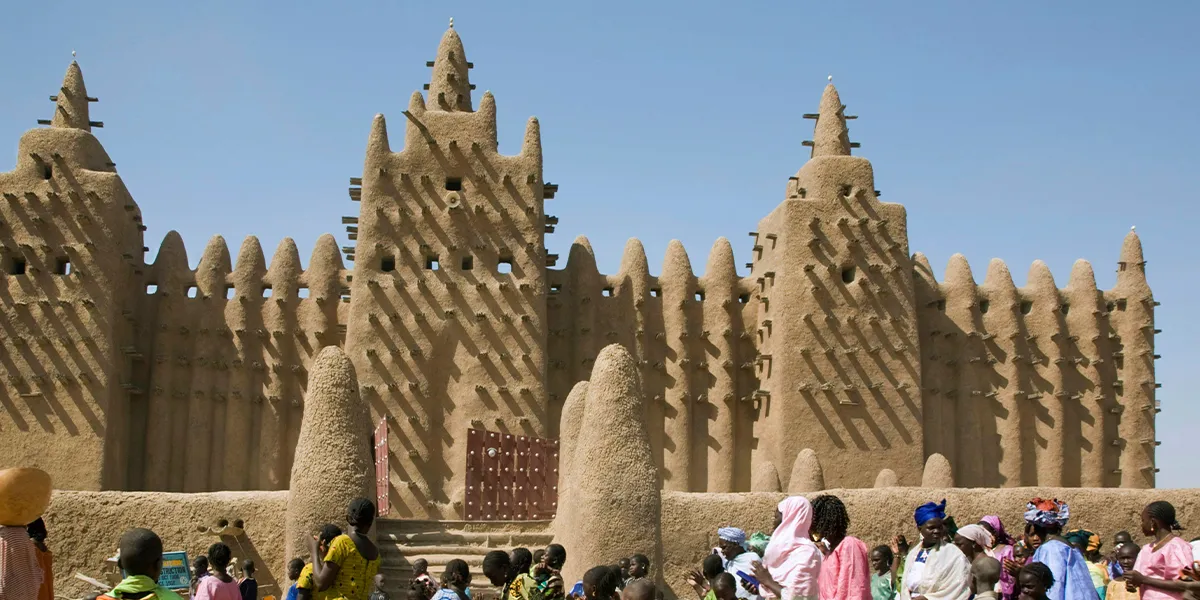

- 2.3k Views
- 8 Min Read
- (0) Comment
Mali is a country where history, culture, and tradition come together to create one of the most interesting heritage landscapes of Africa. The Cultural Attractions in Mali are known to be ancient cities, powerful empires, and strong artistic expressions that are the result of intellectual, spiritual, and social growth over hundreds of years. History lovers can also find a particularly gratifying experience in Mali, where history is not confined to monuments and survives through music, storytelling, and everyday traditions. Prior to visiting Mali, tourists tend to acquaint themselves with the travel requirements, like the Mali visa, which gives them the key to unlock the secrets of this great West African country.
Lying along the Sahel and fed by the Niger River, Mali has long been a place of trade and exchange of ideas. Its ancient cities used to receive scholars, traders, and pilgrims of other countries. Today Mali still manages to preserve its legacy by means of community traditions, architecture conservation, and cultural celebrations. To visit Mali is to enter into an existing museum, where the present and the past live side-by-side.
Here Are the Top Historical and Cultural Attractions in Mali
Why Mali Is Important in African History
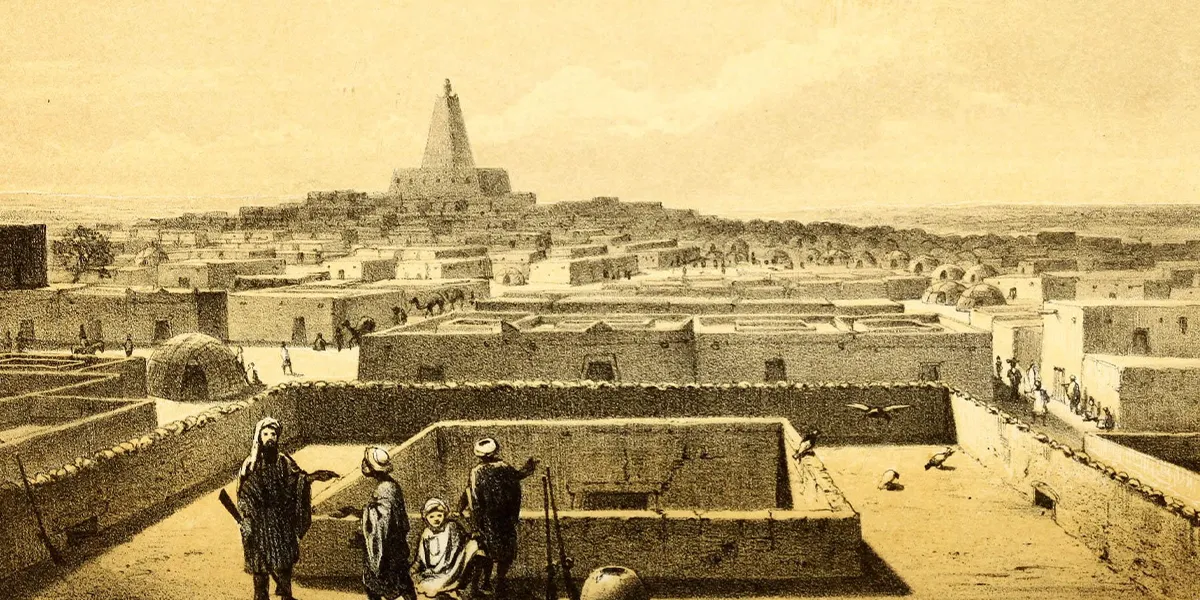
Ancient Empires and Trade Routes
Mali was a key figure in African history because it was the center of great African Empires including Ghana, Mali, and Songhai. These empires were in control of trans-Saharan trade routes that were crucial in linking West Africa and North Africa, among others. Deserts were traversed by gold, salt, ivory and manuscripts, making cities rich and disseminating knowledge. This strategic location enabled Mali to blossom economically and culturally, to influence the power relations of the region as well as the world trade networks over the centuries.
Mali’s Role in Islamic Scholarship and Culture
- Mali emerged as a hub of the Islamic education in West Africa.
- Famous thinkers were educators of theology, mathematics and astronomy.
- Libraries contained thousands of hand written manuscripts.
- The Islamic values were mixed with the local traditions.
- The Malian society respected education and literacy much.
Famous Historical Sites in Mali
Timbuktu and Its Ancient Manuscripts
Timbuktu is among the most renowned historic African cities that played a significant role in education and commerce globally. At its height, Timbuktu had universities and libraries to which scholars all over the Islamic world were drawn. The ancient manuscripts of the city include various topics such as science, law, medicine and philosophy. These invaluable works are a mark of the intellectual tradition of Mali and are still regarded as one of the most important Cultural Attractions in Mali.
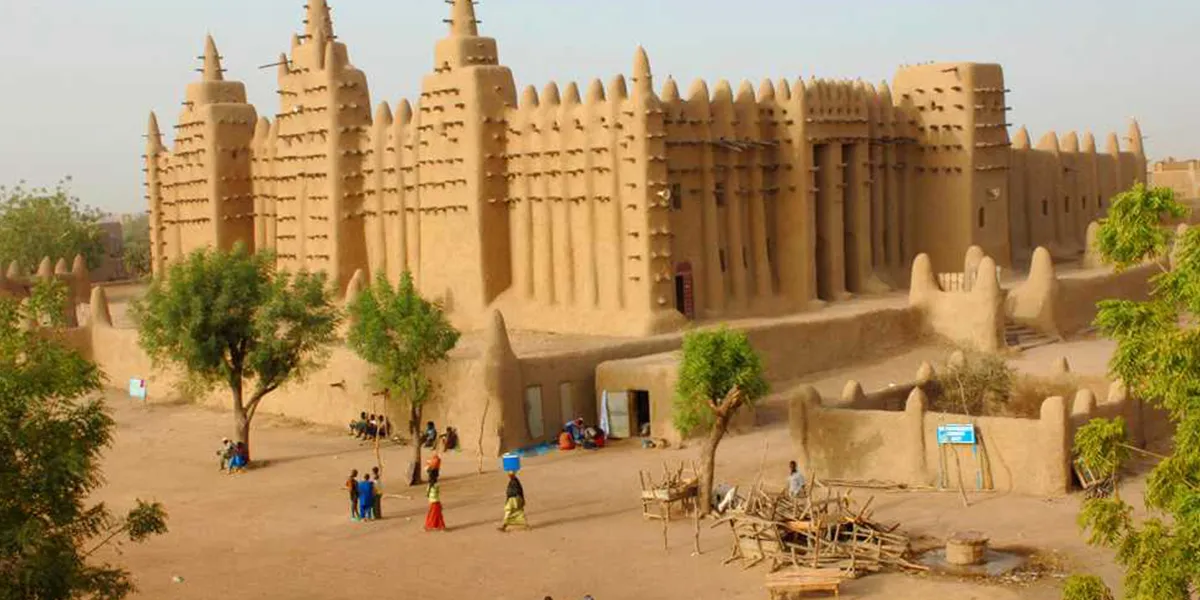
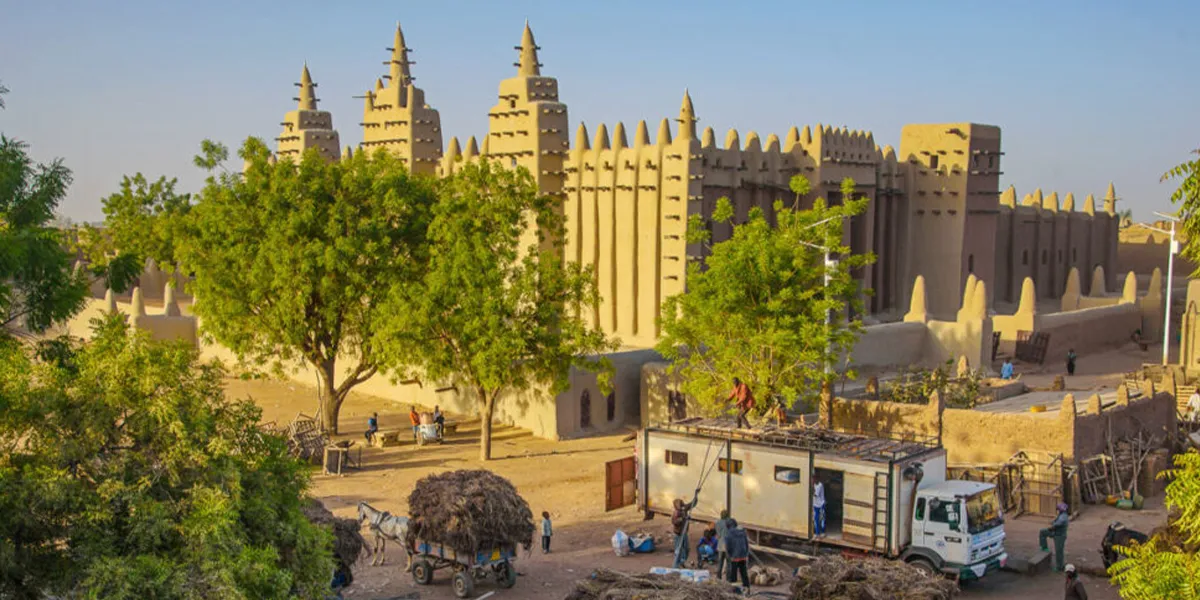
Great Mosque of Djenné
The Great Mosque of Djenné is a remarkable object of Malian architecture and the Malian communal soul. It is made of mud-brick, which is the largest of its type in the world. The mosque is a worshiping site as well as a cultural heritage site which is serviced by communal replacement after every year. This culture reinforces social ties and also maintains a masterpiece of Sudano-Sahelian architecture that characterizes the architectural identity of Mali.
Gao and the Songhai Empire Landmarks
Gao used to be the capital of the great Songhai Empire that took over the Mali Empire as a powerful ruler in the territory. The political power and the impact of Islam can be traced in landmarks like the Tomb of Askia. These historical sites give us a glimpse of the Songhai rule, the trade, and the culture and hence Gao is a key location to learn the history of the development of Mali.
Cultural Attractions and Traditions of Mali
Music, Dance, and Oral Storytelling
Music is something that is deeply intertwined with the Malian lives and is a potent tool of history preservation. Genealogies, legends and moral teachings are transmitted by griots or traditional storytellers with the help of music and oral speech. Such instruments as kora, ngoni, and balafon are unique sounds heard all over the world. Ceremonies are usually accompanied by dance performances, which reflect the identity of the community and make music one of the pillars of the Mali culture.
Traditional Festivals and Ceremonies
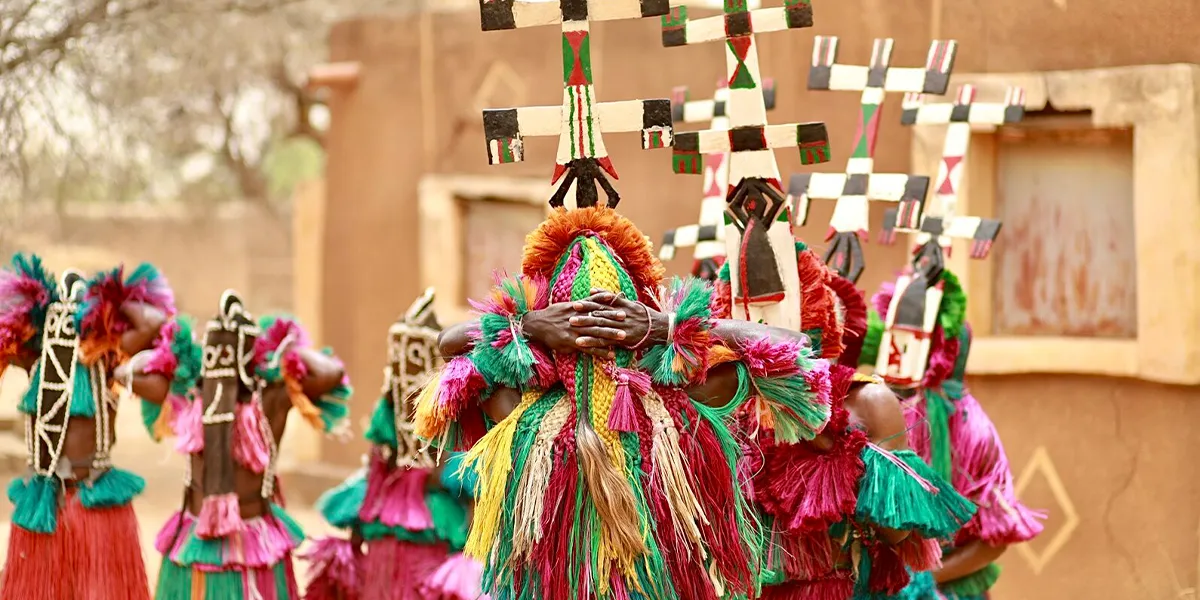
The Mali festivals are devoted to agriculture, religious holidays, and historical occasions. These events include colorful costumes, masked performances, drumming and group feasts. Rituals praise the ancestors, nature and spiritual convictions as well as strengthen social cohesiveness. To the tourists, the events are immersive and also some of the most exciting Cultural Attractions in Mali as they demonstrate traditions that are still actively observed.
Museums and Cultural Centers in Mali
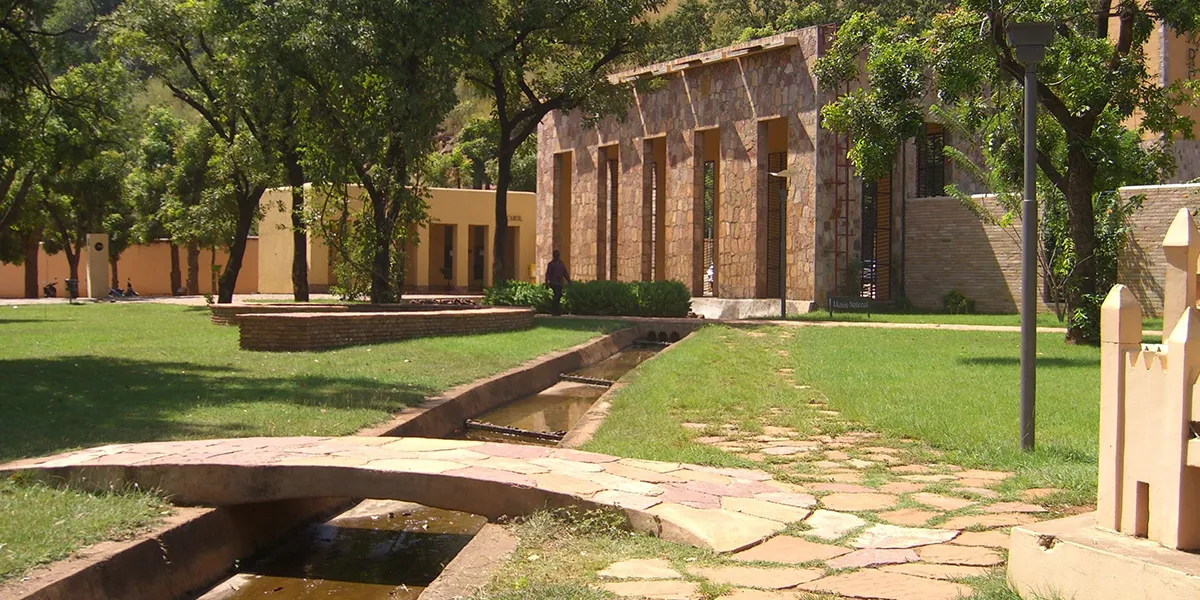
National Museum of Mali
The National Museum of Mali in Bamako has an extensive description of the cultural diversity and history in the country. There is ancient art, traditional attire, musical instruments, and archaeological findings. The museum makes people realize how ethnic groups of Mali formed its identity throughout the years. It is also a learning facility that encourages the heritage conservation and cultural sensitivity.
Regional Cultural Museums
The regional museums in Mali are dedicated to local traditions, crafts and histories. These small institutions maintain masks, tools and ritual items that are unique to the particular communities. Visiting local museums, tourists can better understand the complexity of Mali culture and learn how geography and life style shape artistic and social activities in the country.
Architectural Highlights across Mali
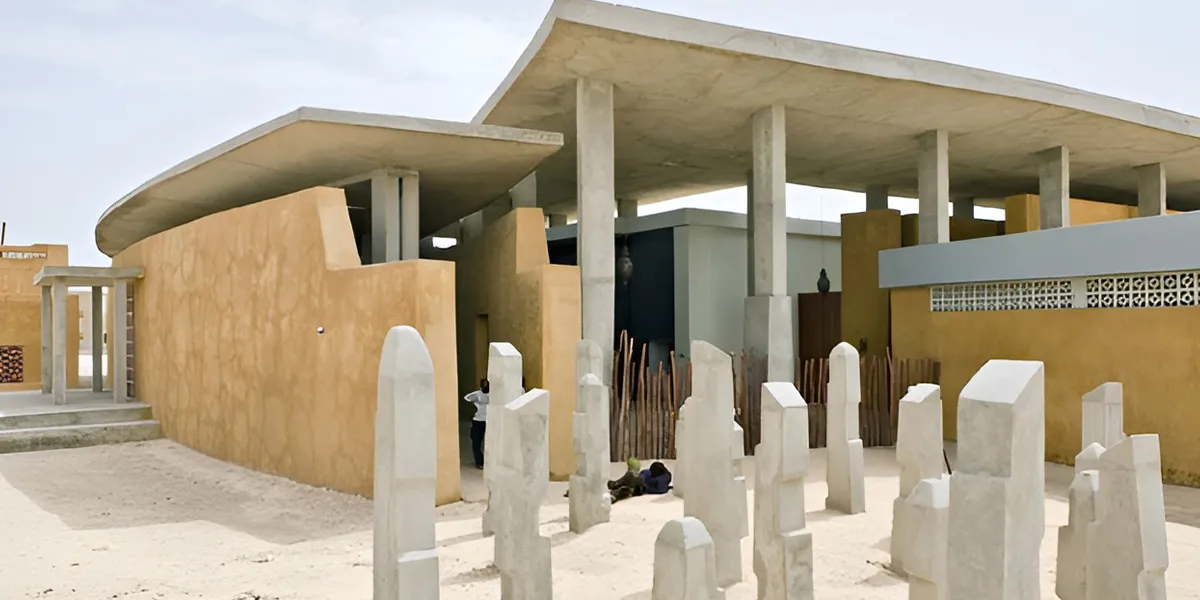
Sudano-Sahelian Architecture
One of the most unique aspects of Mali is Sudano-Sahelian architecture. This style is ideal to the climate of this Sahel, and it is marked by mud-brick building, wooden toron beams, and sculpted facades. This tradition of building mosques and other public buildings is reflected in their sustainable design and collective maintenance. Architecture is even one of the Cultural Attractions in Mali, as it is both beautiful and useful.
Historic Mud-Brick Structures
The historic towns and villages in Mali are dominated by mud-brick buildings. These constructions inherently control the temperature, and they are based on materials that are available locally. Their use today is an indication of a respect to traditional knowledge and harmony with the environment. The preservation of such structures needs to be done communally, and it enhances the collaboration of the community and maintains the architectural methods that have been passed down through the generations.
Best Cities to Explore Mali’s Culture
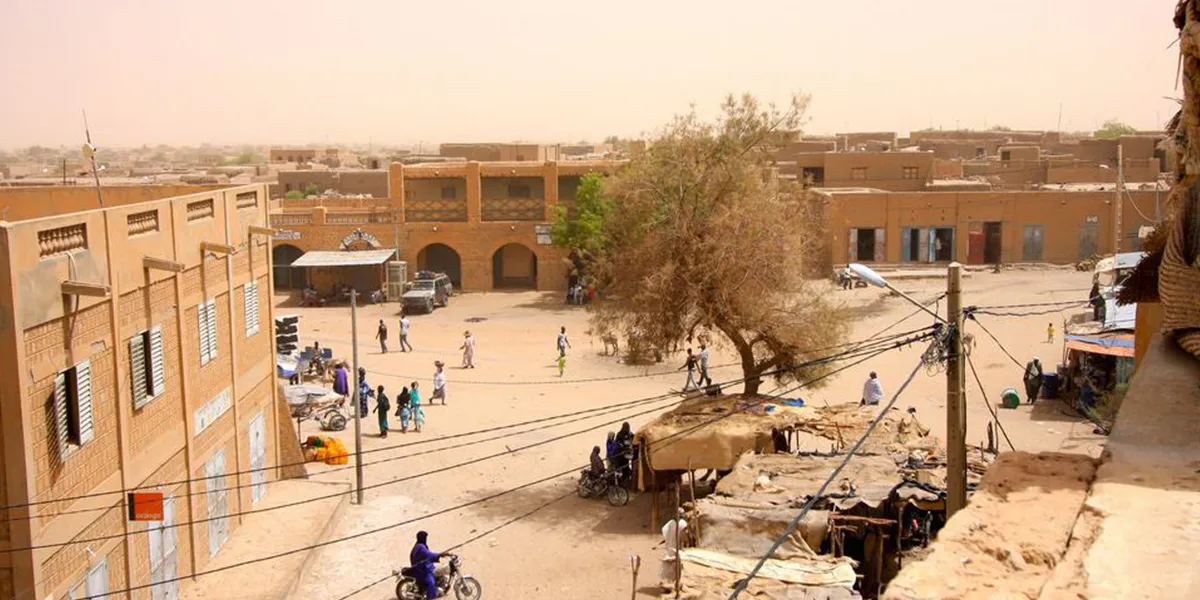
Bamako Cultural Spots
The capital city of Mali is called Bamako and it is a bustling city of modernity and tradition. Tourists will be able to visit busy markets, live music, and art galleries with an exhibition of modern Malian art. The cultural centers and the festivals bring out the vibrant nature of the city of Bamako, which makes Bamako a good location to feel the intersection of the traditional life and the modern life in Mali today.
Djenné and Timbuktu as Heritage Cities
Djenné and Timbuktu are the most famous heritage cities in Mali. Djenné is a city that is respected due to its ancient urban configuration and architectural harmony, whereas Timbuktu is a place of the Mali scholarly and spiritual heritage. The two cities are the world-renowned historical sites and remain a symbol of the role Mali played in the world civilization in terms of education, trade, and culture.
Travel Tips for Visiting Historical Sites in Mali
Local Customs and Etiquette
- Wear a humble dress, especially in religious places.
- Greet is aged and respected by locals.
- Request authorization to make photographs.
- Practice prayer and religion.
- Demonstrate the respect to local traditions and hospitality.
Safety and Preservation Guidelines
- Keep track of the weather in the area.
- Tour historical places of interest using certified local guides.
- Do not destroy and touch delicate constructions.
- Favorable tourism practices.
- Conserve historic buildings to preserve historical sites.

Leave a comment:
You must be logged in to post a comment.