



- 2.2k Views
- 8 Min Read
- (0) Comment
Malta is a small island nation with a remarkably rich past that stretches back thousands of years. The island is a special experience in time traveling as the prehistoric temples are transformed into the fortified cities, which gives history lovers and travelers an exceptional tour. A visit to the Ancient Temples and UNESCO Sites in Malta is an interesting mix of cultures influenced by ancient civilizations, traders and conquerors. These are the sites that are of strong reminders of the historical importance of Malta in the Mediterranean region.
When you intend to have a memorable Malta Tour, you will soon learn that there is more to the island than picturesque beaches. Its archeological riches and UNESCO sites are sources of attraction of people worldwide. Starting with enigmatic underground monuments and continuing with the impressive temple complexes, Malta could be an unforgettable experience of people who want to experience history in its original form.
Explore the Top Ancient Temples and UNESCO Sites in Malta for an Unforgettable Journey
Why Malta is Famous for UNESCO Sites
Malta has developed a world-wide reputation in terms of its outstanding concentration of UNESCO World Heritage Sites and particularly the prehistoric temples. These monuments are some of the oldest freestanding monuments in the world, even older than the pyramids of Egypt. The Malta historical value and great conservation have made Malta a number one tourist destination in heritage tourism.
The second reason as to why Malta is famous is that the capital city and archaeological complexes are well preserved, as a sign of the centuries of cultural development. Early architecture, its historical background, and rich culture make Malta a one-of-a-kind destination. Within a very small area, visitors are able to visit the various time periods hence it is a great place to visit if one is a history and heritage enthusiast.
Top Ancient Temples and UNESCO Sites in Malta
1. Ġgantija Temples
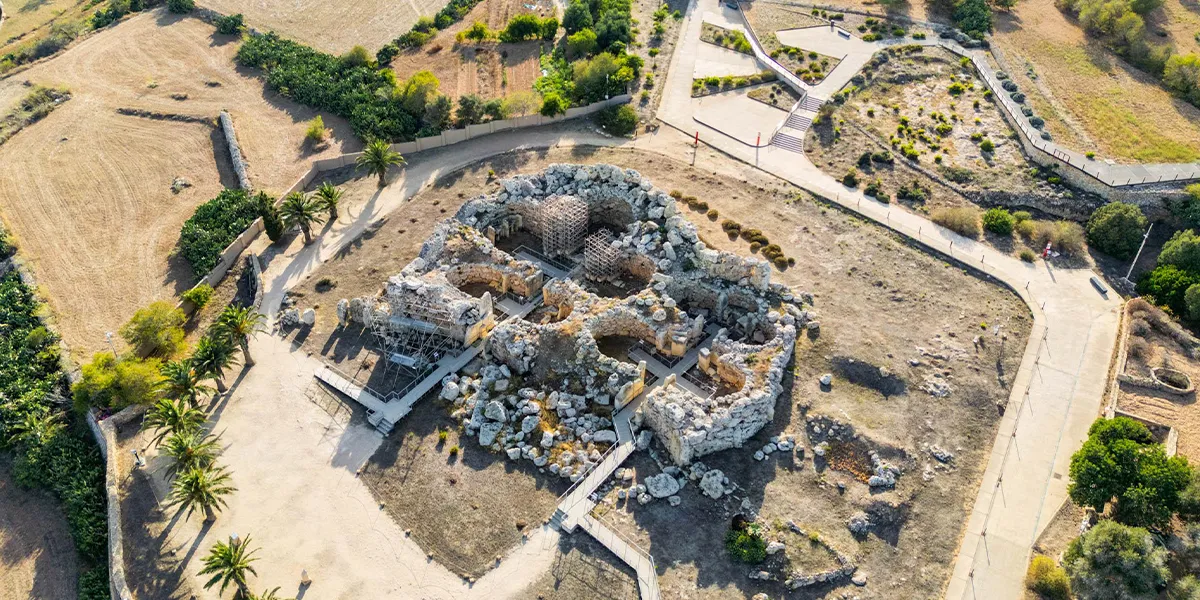
The Ġgantija Temples are the old man-made structures in the world that are situated on the Gozo Island. These temples are also older than Stonehenge and the Egyptian pyramids: they were built around 3600 BCE. Constructed with huge limestone blocks, the site demonstrates the great architectural skills of that epoch. Being one of the most important Ancient Temples and UNESCO Sites in Malta, Ġgantija provides a visitor with an idea of the religious rituals and cultural traditions of pre-historic Maltese people which influenced the formation of the early Maltese civilization.
2. Ħaġar Qim
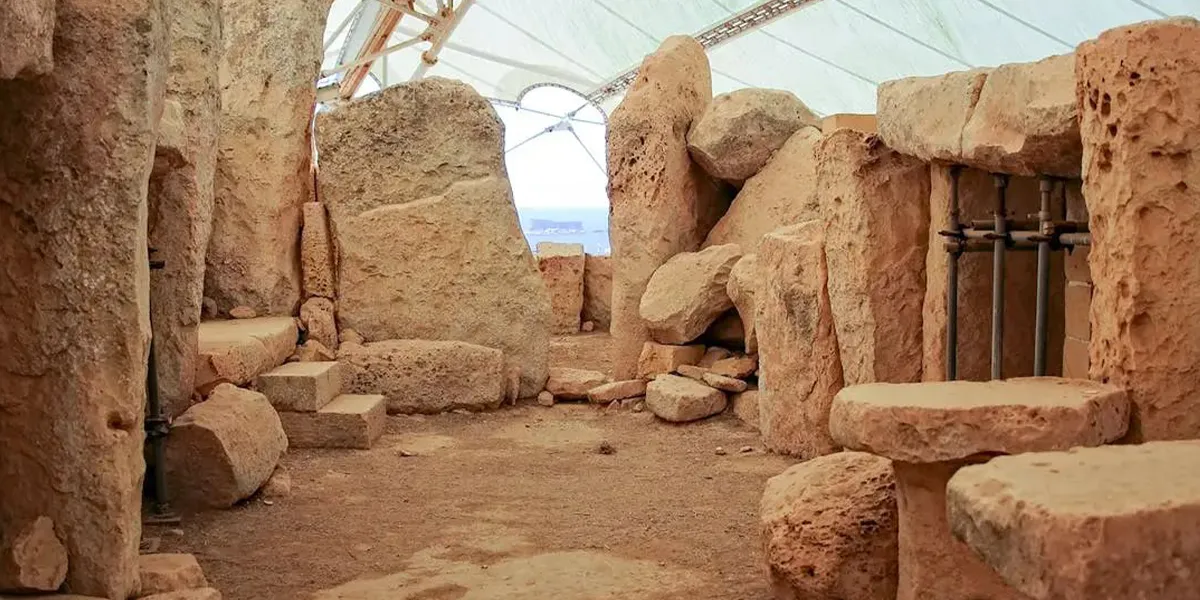
The gorgeous temple complex of Haġar Qim is located on a hill above the Mediterranean Sea. It was constructed in 3200 BCE and is distinguished by its amazing stone constructions and complex carvings. The location has altars, chambers and symbolic decorations that bring to focus ancient rituals. Being one of the most important attractions in the list of the Ancient Temples and UNESCO Sites in Malta, Ħaġar Qim impresses tourists with their breathtaking views, with the added bonus of historical information about the prehistoric times of Malta.
3. Mnajdra
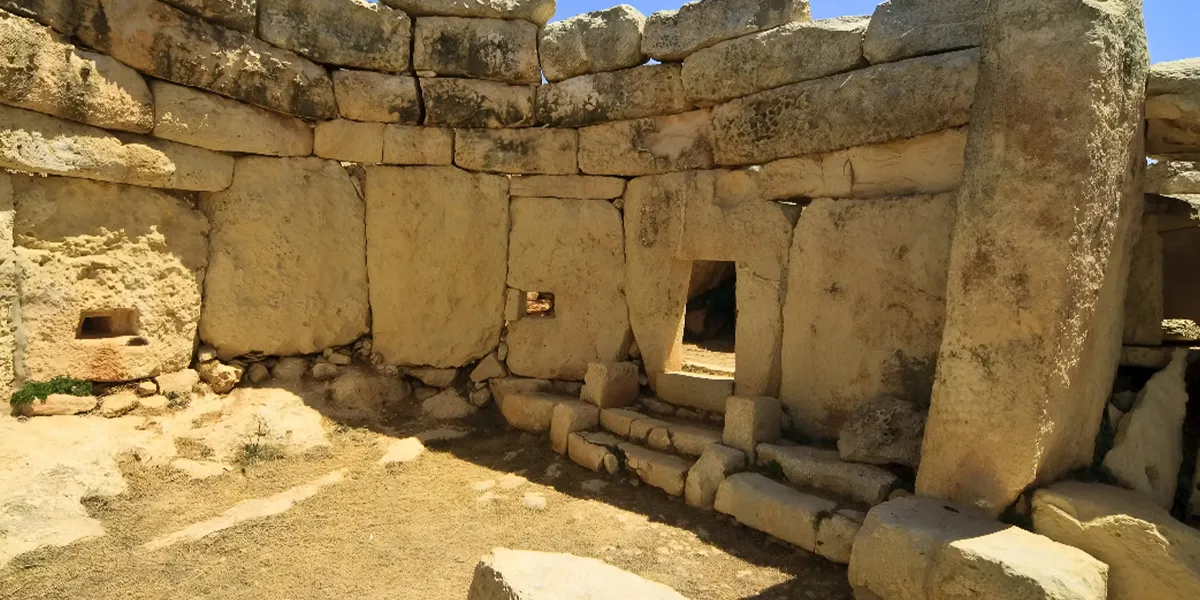
Mnajdra is an extraordinary site of early temple groupings that were situated close to Ħaġar Qim and are also known to be highly astronomically aligned. The building is well planned in such a way that the light of the sun is used to light certain chambers on the solstices and equinoxes. This brings to light the high level of astronomy that ancient builders had. Mnajdra, located on a breathtaking coastal setting, provides the viewer with a very different experience that is both historical, scientific and spiritual and, therefore, makes it one of the most intriguing archaeological sites in Malta.
4. Tarxien Temples
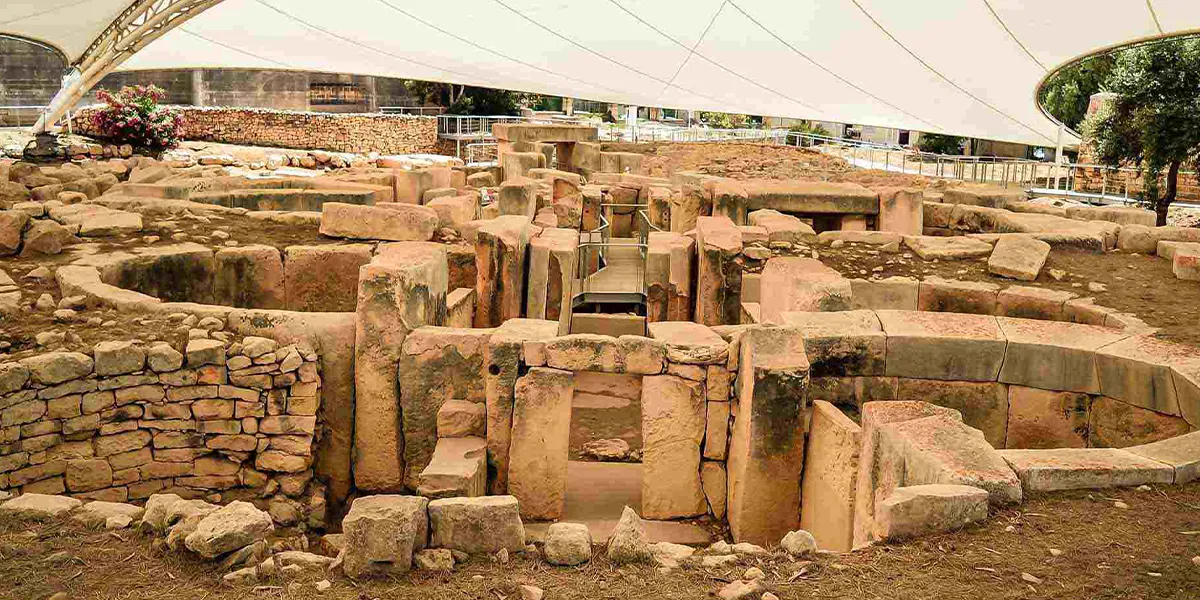
Tarxien Temples are also one of the most ornate prehistoric structures in Malta, which are dated between 3150 and 3125 BCE. These temples, which are known to have detailed carvings and artistic stonework, have spirals, animal reliefs and decorative patterns. The site provides useful information on the rituals and everyday life in ancient Malta. Being one of the most interesting Ancient Temples and UNESCO Sites in Malta, Tarxien is characterized by its artistic expression and cultural significance in comprehending the early civilization in Malta.
5. Hal Saflieni Hypogeum
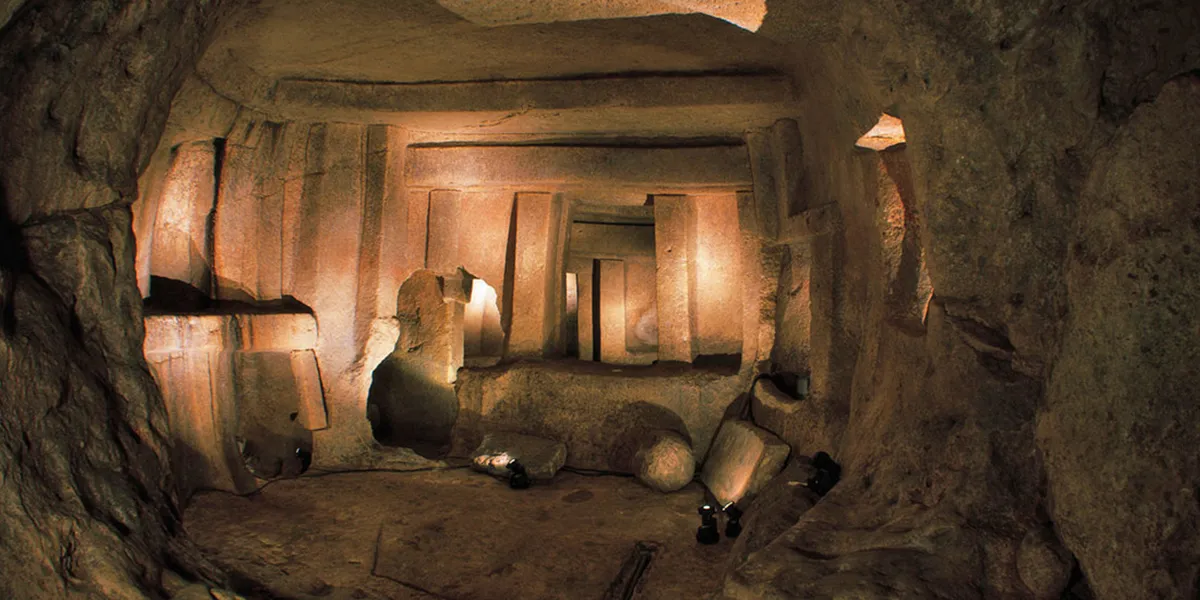
The Hal Saflieni Hypogeum is a special underground burial site that is cut out of rock. It was built in approximately 2500 BCE, and was both a burial place and a sanctuary. The Hypogeum has a renowned acoustics and the mystic chambers that remain a puzzle to the researchers. Being a UNESCO World Heritage Site, it is highly conserved and visits to the site must be booked in advance. The site is an extraordinary one giving a unique insight into the ancient Maltese burial and spiritual practices.
6. Valletta (UNESCO World Heritage City)
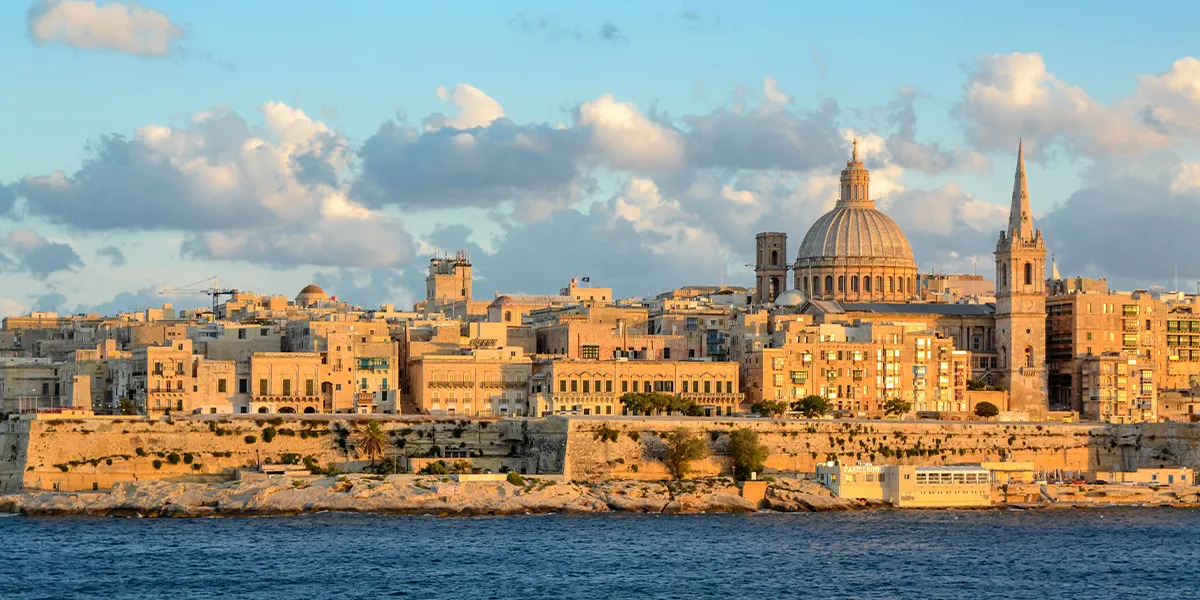
Malta is also a UNESCO World Heritage site with the capital city Valletta boasting of its beautiful Baroque architecture and historical importance. Constructed by the Knights of St. John in the 16th century, the city boasts of big palaces, churches and fortifications. Valletta is a symbol of the later history of Malta, the mixture of European and other cultures. Strolling its streets one can trace centuries of history and therefore it is a must-not-to-miss destination of any heritage seeker exploring the heritage of Malta.
7. Megalithic Temples of Malta
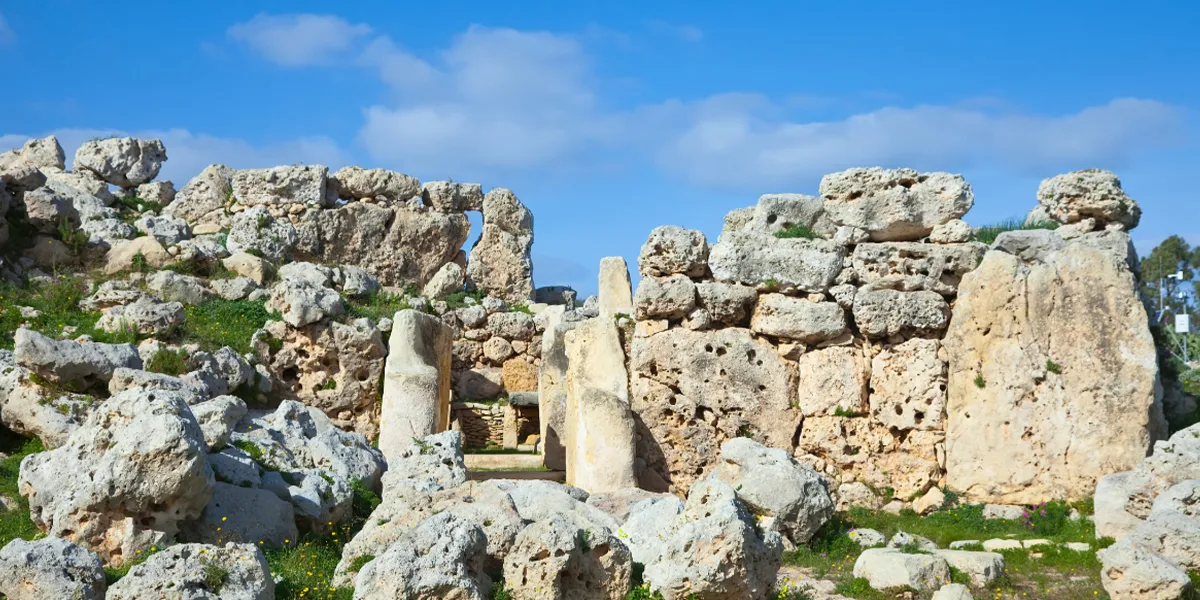
The Megalithic Temples of Malta are a collection of prehistoric temple locations scattered on the islands. They are Ġgantija, Ħaġar Qim, Mnajdra and Tarxien. Constructed in 3600-2500 BCE, they present some of the earliest religious architectural examples in the world. These temples, which are known as having historic importance all over the world, are indicative of the resourcefulness and richness of the Maltese ancient culture and have to be seen by all history lovers.
Best Time to Visit Historical Sites in Malta
The most opportune season to visit historical sites in Malta is during spring (April to June) and autumn (September to November). The weather at these months is pleasant and thus it is comfortable to visit the outside archaeological sites. The average weather also enables visitors to enjoy the guided tours to their full extent without the hot summer weather.
The summer heat can be oppressing and when there is no shade in open temples, it is even more so. Nevertheless, it continues to be a tourist season. The winter has less crowds and a more relaxing experience but at times it may rain and disrupt outdoor visits. Shoulder seasons are the best times to plan your vacation because of the good weather and the number of tourists that can be handled.
Travel Tips for Exploring Malta’s Heritage Sites
- Plan your itinerary in advance: Before visiting the temples, find out where they are and when to visit them to make the most of your visit and not miss out on important historical sites in Malta.
- Book tickets early for popular sites: The Hypogeum and other sites such as Vatican City are not easily accessible and hence advance booking of tickets would help you not to miss this special experience.
- Wear comfortable walking shoes: The majority of heritage sites entail walking through rugged areas and thus good shoes are a must to have a good and smooth journey of exploring the heritage sites.
- Carry water and sun protection: The climate in Malta is very sunny and at open temple sites it can be intense and thus it is very important to be hydrated and covered.
- Consider guided tours for better insights: The guided tours will inform you more about the history of Malta and will assist in making the sites culturally interesting to you.
- Respect heritage preservation rules: Keep in mind that it is important to follow all the instructions in all UNESCO sites to preserve these ancient monuments so that it can be preserved to the people in coming generations and remain in its historical form.



Leave a comment:
You must be logged in to post a comment.