
© 2026 Go Kite Travel & Tours. All rights reserved.
Italy Visa Requirements for Tourists: Everything You Need to Know
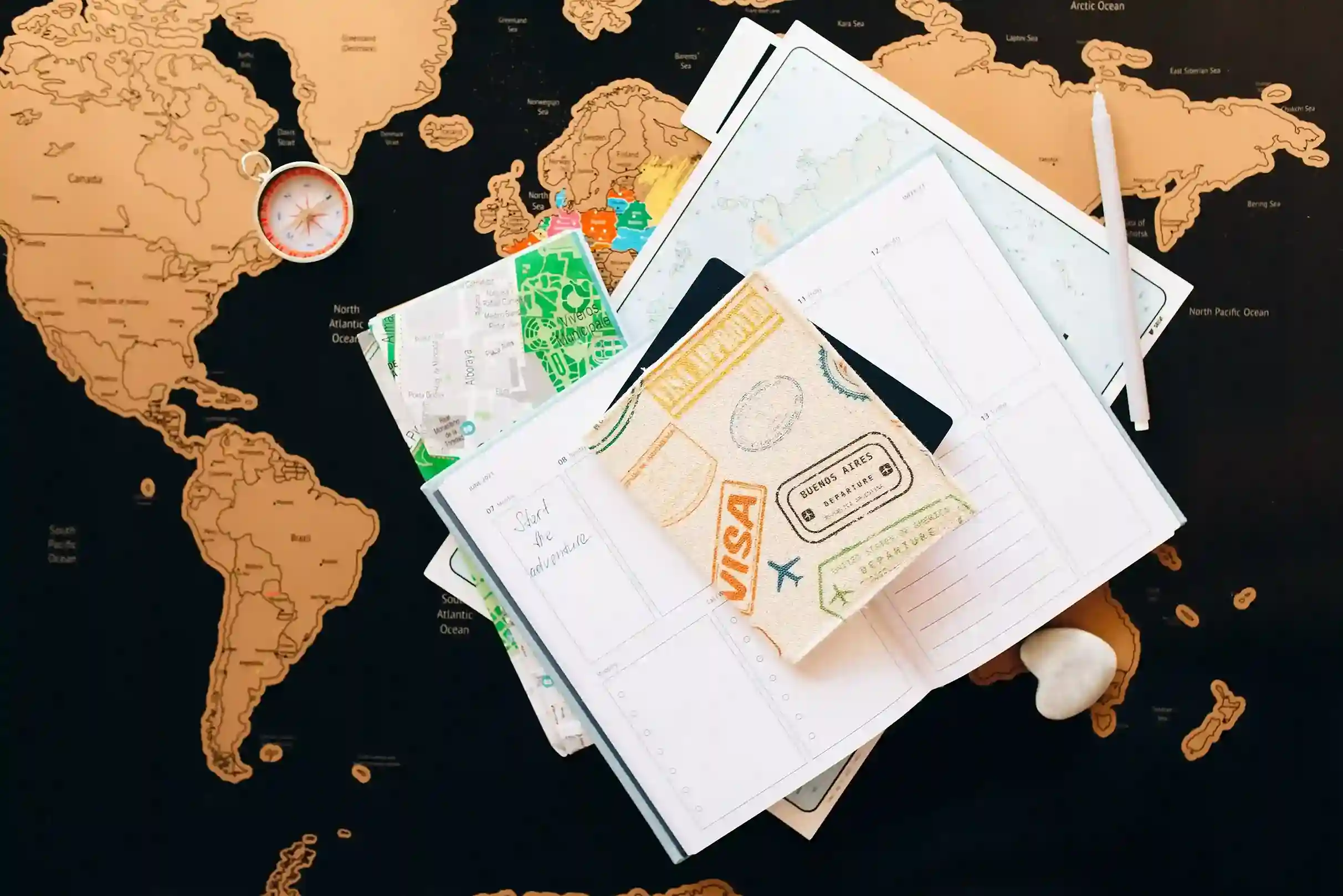
Italy is one of Europe’s most popular holiday destinations, attracting travellers with historic cities, world famous art, coastal towns, countryside, food, and cultural experiences. If you are planning a holiday to Italy, understanding Italy visa requirements before you begin your application can help you prepare the right documents and avoid unnecessary delays.
Depending on your nationality, country of residence, travel purpose, and duration of stay, you may need an Italy visa before travelling. Italy is part of the Schengen Area, so most short tourism visits that require a visa fall under the Schengen short stay visa system.
For eligible travellers who require a visa, a short stay Schengen visa generally permits travel for tourism for up to 90 days within a 180 day period. However, your permitted stay will depend on the validity and conditions printed on your visa.
Do Tourists Need a Visa to Visit Italy?
Whether you need a visa depends mainly on your nationality and the duration of your planned stay.
Travellers from countries that are subject to Schengen visa rules must usually obtain a tourist visa before arriving in Italy.
Travellers from visa exempt countries may generally enter Italy for short tourism stays without obtaining a visa in advance, provided they meet the applicable Schengen entry conditions.
You should check the latest rules based on:
- Your nationality
- Your country of legal residence
- The purpose of your visit
- The total duration of your stay
- Other Schengen countries included in your itinerary
A visa allows you to travel to the border, but entry is still subject to checks by immigration authorities. You may be asked to show proof of accommodation, sufficient funds, travel insurance, your itinerary, and evidence of your return or onward journey.
Types of Italy Tourist Visas
The correct visa depends on your travel purpose and length of stay.
Schengen Type C Visa
This is the standard visa used for short tourism visits to Italy and other eligible Schengen countries.
It may be issued as:
- Single entry
- Double entry
- Multiple entry
The permitted number of entries is stated on your visa sticker.
Airport Transit Visa
An Airport Transit Visa may be required for certain travellers passing through the international transit area of an Italian airport.
It does not normally allow you to enter Italy for tourism.
National Type D Visa
A Type D visa is generally intended for stays exceeding 90 days.
It may apply to purposes such as:
- Employment
- Long term study
- Family reunification
- Other long stay activities
For an ordinary holiday, travellers usually apply for a short stay Schengen visa rather than a national visa.
Italy Tourist Visa Requirements
The exact Italy visa requirements can vary according to your nationality, personal circumstances, travel history, and the Italian embassy or consulate handling your application.
A tourist visa application generally needs to show that:
- You have a genuine reason for travelling to Italy.
- Your passport meets the required validity conditions.
- You have suitable accommodation for your entire trip.
- You have sufficient financial resources for your stay.
- You hold appropriate travel medical insurance.
- You intend to leave the Schengen Area before your permitted stay ends.
- Your itinerary and supporting documents are consistent.
The visa officer may request additional documents depending on your circumstances.
Documents Required for an Italy Tourist Visa
Your supporting documents help immigration authorities understand the purpose and financial arrangements of your trip.
A typical document checklist may include:
- Completed visa application form
- Valid passport
- Recent passport photograph
- Travel itinerary
- Hotel or accommodation confirmation
- Return or onward flight reservation
- Travel medical insurance
- Bank statements or other financial evidence
- Employment or business documents where applicable
- Proof of leave from your employer where relevant
- Documents explaining your travel purpose
- Previous passports or visa records if requested
Travellers who are financially sponsored by another person may need additional sponsorship documents.
Minors may also need birth certificates, parental consent, and other supporting documents depending on their travel arrangements.
Italy Visa Application Process for Tourists
A clear application process can make preparation easier.
1. Check whether you need a visa
Confirm the visa requirement based on your nationality, legal residence, destination, and planned duration of stay.
2. Confirm that Italy is the correct country for your application
If Italy is your only Schengen destination, you usually apply through the Italian authorities.
If your trip covers several Schengen countries, you generally apply through the country where you will spend the main part of your journey.
If there is no clear main destination, the application may need to be submitted through the country you enter first.
3. Complete the application form
Enter your personal information, passport details, travel dates, accommodation, and purpose of travel accurately.
4. Prepare your documents
Check that all supporting documents match the information in your application.
5. Book a visa appointment
Schedule an appointment with the Italian embassy, consulate, or officially authorised visa application centre responsible for your place of residence.
6. Attend the appointment
You may need to submit your documents, passport, biometric information, and answer basic questions about your trip.
7. Wait for the decision
The responsible authorities will review your application and may request additional information if required.
Italy Tourist Visa Financial Requirements
Italy requires travellers to show that they can financially support themselves during their visit.
There is no single bank balance that applies to every applicant.
Your financial requirement can depend on:
- The duration of your trip
- The number of travellers
- Accommodation expenses
- Transport costs
- Whether major expenses have already been paid
- Whether you are funding the trip yourself
- Whether another person is sponsoring your travel
Your bank statements should show regular financial activity and sufficient funds to support your planned trip.
Large unexplained deposits shortly before your visa application may attract additional questions, so your financial documents should present a clear and realistic picture.
Italy Visa Travel Insurance Requirements
Travel medical insurance is an important requirement for most Schengen tourist visa applicants.
Your policy should generally cover:
- Emergency medical treatment
- Hospitalisation
- Medical evacuation
- Repatriation when required
- Your entire planned travel period
The policy should also be valid across the required Schengen territory.
Insurance requirements can change, so check the latest instructions provided by the Italian mission or authorised visa application centre before purchasing your policy.
Italy Tourist Visa Photo and Passport Requirements
Your passport must meet the current Schengen travel document conditions.
In general, your passport should:
- Remain valid beyond your planned departure from the Schengen Area according to current requirements
- Have been issued within the permitted validity period
- Contain enough blank pages for visa processing and border stamps
Your visa photograph should be:
- Recent
- Clear
- Taken against the required background
- Correctly sized
- Compliant with current biometric standards
Always check the latest photograph specifications before attending your appointment.
Italy Tourist Visa Fees
Applicants normally need to pay the applicable Schengen visa fee when submitting an italy visa application.
The amount may vary depending on:
- Your age
- Your nationality
- The visa category
- Applicable bilateral agreements
- Eligibility for fee exemptions
If you apply through an authorised visa application centre, an additional service charge may also apply.
Because visa charges can change, confirm the latest fee before your appointment instead of relying on older online information.
Italy Tourist Visa Processing Time
A standard tourist visa application is often processed within approximately 15 calendar days after a complete and admissible application has been submitted.
However, processing can take longer in some cases.
Additional time may be required when:
- More documents are requested
- Additional background checks are needed
- The application requires further review
- Demand is high during peak travel periods
Travellers should avoid applying close to their intended travel date.
Applying well in advance gives you enough time to respond to additional requests and complete your travel arrangements.
How to Book an Italy Visa Appointment
The appointment process varies depending on your country of residence.
Follow these steps:
- Identify the Italian embassy, consulate, or authorised application centre responsible for your jurisdiction.
- Select the correct tourist visa category.
- Register on the official booking platform if required.
- Choose an available appointment date.
- Prepare your application form and supporting documents.
- Attend the appointment at the scheduled time.
- Provide biometric details if required.
Use only official embassy, consulate, or authorised service provider websites when booking appointments.
Avoid unauthorised agents who claim they can guarantee appointment availability or visa approval.
Track Your Italy Visa Application
Once your application has been submitted, you may be able to track its progress online.
Tracking options depend on the embassy, consulate, or visa centre handling your application.
You may need:
- Your application reference number
- Passport number
- Date of birth
- Other verification details
Application tracking usually tells you whether your passport is under processing, ready for collection, or being returned.
It does not normally reveal detailed internal assessment information or guarantee a particular result.
What to Do After Your Italy Tourist Visa Is Approved
Once your visa is approved, carefully check the visa sticker in your passport before travelling.
Review the following details:
- Your full name
- Passport number
- Visa validity dates
- Number of permitted entries
- Duration of permitted stay
If you find an error, contact the relevant visa authority before travelling.
You should also carry important travel documents with you when entering Italy.
These may include:
- Accommodation confirmation
- Return flight details
- Travel insurance
- Proof of sufficient funds
- Travel itinerary
- Invitation documents where applicable
Border officers may request these documents when you arrive.
Common Mistakes to Avoid When Applying for an Italy Tourist Visa
Following Italy visa requirements carefully can reduce avoidable issues during the application process.
Common mistakes include:
- Travel dates that differ across documents
- Incomplete accommodation bookings
- Incorrect passport details
- Insufficient financial documentation
- An unclear travel itinerary
- Insurance that does not meet the required conditions
- Applying through the wrong Schengen country
- Missing signatures on application forms
- Providing documents that contradict one another
Your application should present one clear and consistent travel plan.
Practical Italy Tourist Visa Checklist
Before submitting your application, use this quick checklist.
Personal documents
- Passport
- Visa application form
- Passport photographs
Travel documents
- Flight itinerary
- Hotel reservations
- Daily travel plan
Financial documents
- Bank statements
- Income evidence where relevant
- Sponsorship documents if someone else is paying
Supporting documents
- Employment or business proof
- Approved leave documents where applicable
- Travel medical insurance
Review every document before your appointment.
How Go Kite Travel & Tours Can Help
Visa applications often involve several documents, travel reservations, financial records, and appointment requirements.
Go Kite Travel & Tours can support travellers with visa application guidance, document preparation assistance, travel insurance arrangements, flight planning, hotel bookings, and holiday itineraries.
The final decision on every visa application remains with the relevant Italian embassy, consulate, or immigration authority.
Travellers should always provide accurate information and genuine documents throughout the application process.
Conclusion
Applying for an Italy tourist visa becomes easier when your documents, itinerary, finances, accommodation, and travel purpose are prepared consistently.
Check the latest Italy visa requirements before submitting your application because procedures can vary according to your nationality and country of residence.
Keep copies of important documents even after receiving your visa, and review the information printed on your visa sticker before travelling. Careful preparation helps you approach your Italy holiday with greater clarity and confidence.
Frequently Asked Questions
What are the requirements for an Italy tourist visa?
Tourists generally need a valid passport, completed application form, recent photograph, travel itinerary, accommodation proof, financial documents, travel medical insurance, and evidence of their return or onward journey.
Additional documents may be requested depending on the traveller’s personal circumstances.
What documents are required to apply for an Italy tourist visa?
Common documents include your passport, application form, photographs, bank statements, accommodation confirmation, flight itinerary, travel insurance, and documents showing your employment, business, studies, or financial situation.
The exact document list can vary according to the consulate handling your application.
How much bank balance is required for an Italy tourist visa?
There is no single bank balance suitable for every traveller.
The required financial capacity depends on your trip duration, accommodation, number of travellers, transport arrangements, and daily travel expenses.
Your available funds should reasonably support your entire planned journey.
How much does an Italy tourist visa cost?
The cost depends on the applicable Schengen visa fee, your age, nationality, and any exemptions that may apply.
An additional service charge may apply if you submit your application through an authorised visa application centre.
Because fees can change, check the latest amount before submitting your application.
How long does it take to get an Italy tourist visa?
Many standard applications are processed within around 15 calendar days after submission.
Some applications may take longer if additional documents or further assessment are required.
Applying early is recommended, particularly during busy travel seasons.
Ready to plan your next adventure?
GoKite Travel makes your dream trip a reality.