



By, Gokite Tour
- 2.1k Views
- 7 Min Read
- (0) Comment
Best Time to Visit Europe for Sightseeing and Festivals
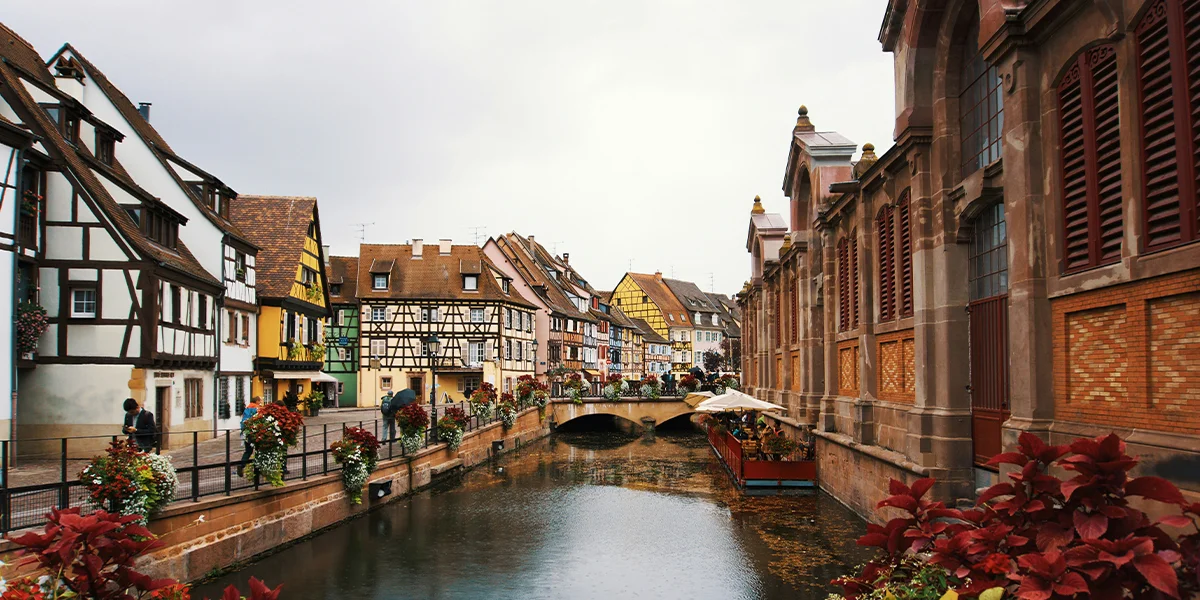
Europe is a dream destination for travelers seeking a mix of history, culture and unforgettable experiences. There are iconic sites in Paris, Rome and London, the scenic beauty of the Swiss Alps, Greek islands and Norwegian fjords, which will satisfy every kind of taste. Arranging your trip by festivals, home traditions and the most important sight sees could make your trip better. The Best Time to Visit Europe will be to make the most out of the cultural activities as well as the natural features. Europe Tour Packages can also be considered by those who want to explore the region with a structured itinerary, making the organization of the trip easier, visiting the main sights of the country and festival events.
Whether it’s wandering through medieval streets, attending vibrant music festivals or local gastronomy the right timing can make a significant difference. According to travel experts at go kite Oman, you should match your itinerary with seasonal attractions so as to get the best of Europe in a nutshell. During peak summer vacation spots and serene winter holidays, the knowledge of the European seasons can be used to experience a smooth and pleasant and unforgettable time.
Understanding Europe’s Travel Seasons
Peak Travel Season
The high season of travelling across Europe is normally between June and August. Most of the destinations during these months have warm and sunny weather and this is the best time to sightsee in such cities as Barcelona, Vienna and Amsterdam. There are also the major cultural events that visitors can attend such as La Tomatina in Spain, Edinburgh Fringe Festival in Scotland and a series of classical music and art festivals in Austria, Germany, and Switzerland.
While the experience is lively and festive, travelers should anticipate larger crowds, longer queues at attractions and the increase of prices in accommodation. Major tourist attractions could be extremely crowded, and it is necessary to reserve tickets and accommodation in advance. In spite of the rush, summer is the best time to visit Europe because one can be able to visit the sites and at the same time attend a festival on a single trip.
Shoulder Season Benefits
Fewer crowds
Off-peak seasons when visiting Europe would be during the shoulder seasons, usually between April to May and between September to October. Tourist sites, historic landmarks, and museums are not very busy and thus the travelers can visit at their own time. Such cities as Florence, Prague and Budapest are especially nice in these months, and you will be able to appreciate cultural riches without the hustle and bustle of the crowds.
Pleasant weather
Shoulder seasons also offer a comfortable weather with mild weather, which is suitable in outdoor activities and walking tours. The spring and autumn are sunny days and cooler evenings, ideal to visit the vineyards in France, countryside villages in Tuscany or picturesque laps in Alps. The months are a perfect blend of accessibility, comfort, and natural beauty to the sight taking lovers.
Seasonal Highlights Across Europe
Spring Festivals
Visiting Europe in spring is a colorful experience as many fests are dedicated to the season and to the culture of the country. Flower festivals like the Keukenhof Tulip Festival in the Netherlands are also places where flower festivals provide beautiful scenes to the visitors. Visitors can observe cultural traditions, music and local food by attending cultural celebrations, such as Easter processions in Seville, Spain, and Semana Santa events in Andalusia.
It is also perfect when one wants to visit parks, gardens, and historical sites because of the temperate climate. Spring festivals are an ideal blend of nature, art, and culture and therefore the spring is a good season to explore Europe by tourists who want to experience it in a unique and immersive way.
Summer Events and Open-Air Festivals
The season of summer is associated with the active music festivals, open air theatre shows, street fairs, and historic city events all over the continent. There is no lack of events to attend starting with Montreux Jazz Festival in Switzerland or the Salzburg Festival in Austria. Such cities as Edinburgh or Copenhagen have vivid parades and performances which make streets, plazas, and castles come alive.
The performances in the open air in plazas, castles and parks enable the visitors to keep up with art, music as well as cultural heritage under the bright summer sun. Although summer is more popular, planning ahead will make sure that you are able to go to festivals, visit sights and see beautiful places in the most efficient way. This lively season remains one of the most popular and best time to visit Europe.
Weather and Travel Planning
Northern vs Southern Europe
In comparison with Southern Europe, Northern Europe, Scandinavia, Baltic states and some of the UK have colder winters and summers are colder. Hot climate countries such as Italy, Spain and Greece have hot summers and cold winters, thus making them the best places to spend time in outdoor activities, and even in the seaside. Depending on the kind of experience that they desire, be it hiking in Norway or beach-hopping in Greece, travelers must plan based on the experience they want to have.
Coastal and inland weather
Coastal areas in Europe enjoy moderation and sea breezes, whereas inland areas can be more extreme, e.g. warmer summers or colder winters. This change influences the sightseeing plans, outdoor activities, and the attendance at the festivals. An example is that the towns located in the south of the coastal areas are ideal in summertime and beach festivals, whereas the cities located in the inland areas organize cultural and music events throughout the colder months.
Budget and Crowd Considerations
High-season costs
Summer is a time that may turn out to be a very expensive period to travel, in terms of accommodation, transportation and access to major tourist attractions. Paris, Venice, Barcelona and other cities are much more costly and early planning and booking are a must to those who have a limited budget.
Off-season savings
Travelling during the low season in Europe, usually November to March, is really very economical in terms of flights, accommodation, and tour packages. The weather might be colder, but the number of tourists will be lower, which will give the opportunity to experience museums, historic landmarks, and festivals more closely. German and Austrian winter markets, such as those in Germany and Austria, are beautiful and have their cultural experiences despite the cold weather.
Frequently Asked Questions:
The best months are May, June and September because of the warm weather, flowering gardens and the crowd is manageable.
The season of the greatest festival is summer, however, there are also special cultural celebrations and flower festivals in spring.
Yes, Europe is a destination that is available all year round, with winter Christmas markets and summer music and arts festivals.
Late fall and early spring provides less hustle and bustle with the shortest of queues and quiet sightseeing
It is true that weather influences outdoor events, attendance at festivals and sightseeing tours, and therefore, travellers need to have a plan.
Definitely, through proper planning, tourists will be able to visit cultural events as they explore historical sites and scenic places.
Conclusion
Determining the best time to visit Europe depends on your travel preferences, budget and what you want as your experience. Summer has bright festivals, vibrant streets, and unlimited outdoor activities whereas shoulder seasons have serene sightseeing and cool weather. The period of spring and early autumn is especially favorable to those, who want to find the balance between cultural activities and favorable conditions of traveling.
Proper planning will be sure that the travelers get the best out of their experience in Europe, both the large attractions and the off the beaten paths. By understanding seasonal trends and the timing of your trip, you are in a position to have a glitch free, culturally rich and a memorable Europe tour that best depicts the Europe charm in its unique way.


Leave a comment:
You must be logged in to post a comment.