



- 2.1k Views
- 7 Min Read
- (0) Comment
The country of Tunisia is a country that is steeped in centuries of history and is situated at the intersection of the Mediterranean, North Africa, and the Arab world. Since time immemorial, the Phoenician merchants and the powerful Romans to the diffusion of the Islamic culture, the landscape of Tunisia is full of monuments, ruins, and ancient towns narrating the histories of various peoples. The Historical Sites in Tunisia can be discussed as a unique opportunity to explore the past that was both great and complex, and every stone and building has a story.
To people who are intending to take an in-depth cultural adventure, a Tunisia Tour will be the best choice that will offer them a chance to see these ancient marvels without omitting any of the attractions. By partnering with credible traveling agents such as go kite Oman, tourists will have an experience of being able to plan their trips, visit the sites, and have insider information that makes the trip enjoyable. Since the ruins of Carthage to the busy Medina of Tunis, each destination will be an experience of the past of Tunisia.
Ancient Ruins and Archaeological Wonders
The archaeological sites of Tunisia are one of the greatest in North Africa showing the level of sophistication of the early civilizations. These ancient ruins do not only bring to the fore architectural geniuses but also give one a profound insight into the trade, politics, and life of the ancient world. To history lovers, the country is a gold mine of city settlements, amphitheaters and religious sites that are thousands of years old.
Carthage Ruins
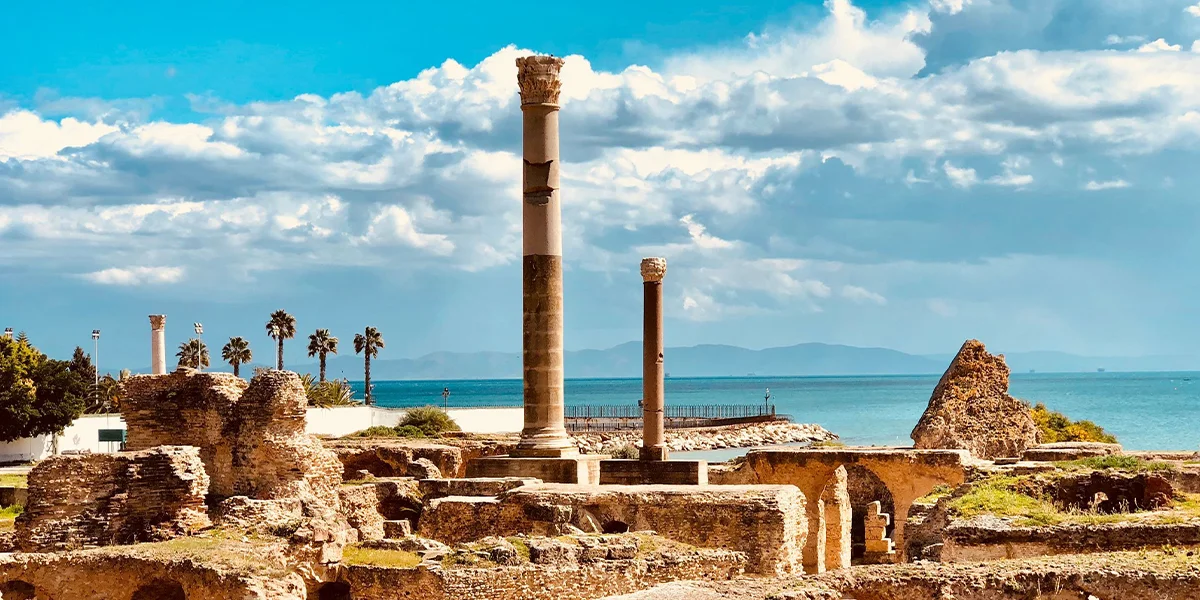
Carthage, a powerful city-state and a competitor of Rome, is one of the highlights of the ancient Tunisian history. The ruins demonstrate both the Phoenician roots of the city and its Roman further development and disclose a complicated system of harbors, villas, and baths. Exploring the ruins, one can project the image of the crowded streets and the strategic value of a city which ruled over the Mediterranean trade during centuries.
Carthage is recognized as a historical and cultural landmark by the UNESCO and this has emphasized its significance in the world. Nowadays, tourists are able to visit its ruins and enjoy the stratification of the past that determined the city, starting with the mythical episodes of Hannibal passing the Alps to the Roman imperial era. Carthage is a place of interest to any person interested in knowing the richness of the Historical Sites in Tunisia where civilization of the past still talks through stone and artifact.
Dougga Archaeological Site
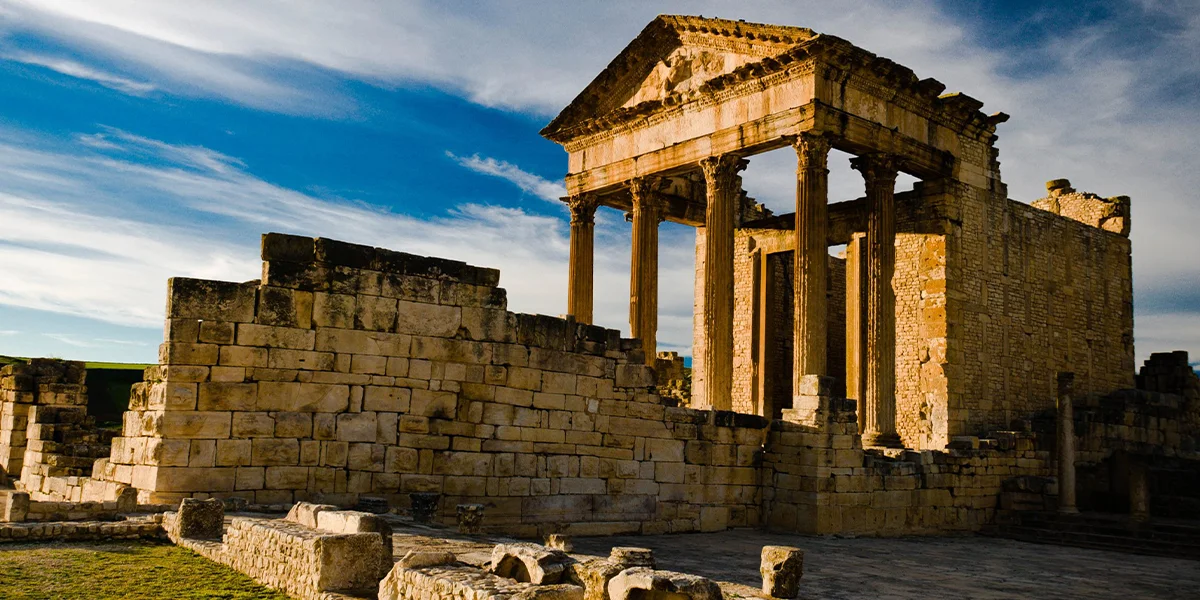
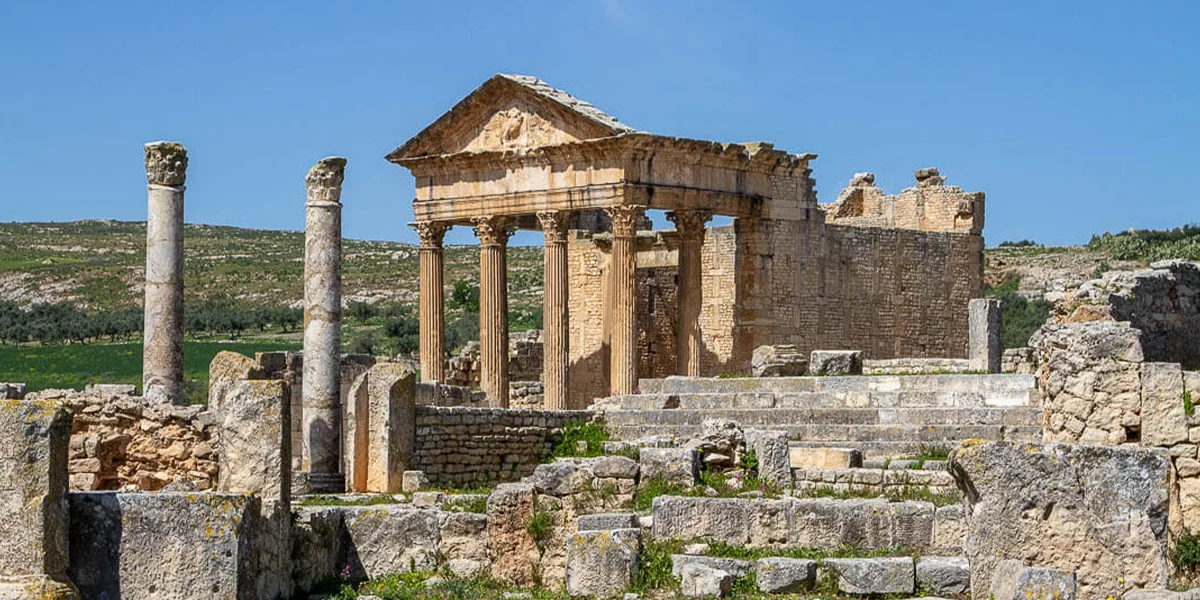
Dougga, which is commonly known as the best-preserved Roman town in North Africa, provides a visitor with a full picture of the city life in the old times. The location has temples, theaters, triumphal arches, and residential quarters all of which demonstrate the high-level of engineering and architectural capabilities of the Romans. All the buildings in Dougga are indicative of civic life, religious culture, and social life that existed many centuries ago.
Located on a hill, Dougga gives excellent scenery of the valleys and olive groves that surround it, which adds to the experience of visiting its ruins. This raised position is a source of grandeur, in which the visitors can enjoy the site without looking at it as a historical site but as a natural feature. Dougga has the ideal combination of history, architecture and beautiful sceneries that make it a place to be visited in exploration of the history of Tunisia.
Roman and Islamic Landmarks
The cultural environment in Tunisia is characterized by a fruitful coexistence of Roman marvels of engineering and Islamic religious monuments. These locations demonstrate how the imperial governance had given way to religious and intellectual prosperity, which gives a multifaceted interpretation of the history of Tunisia.
El Djem Amphitheatre
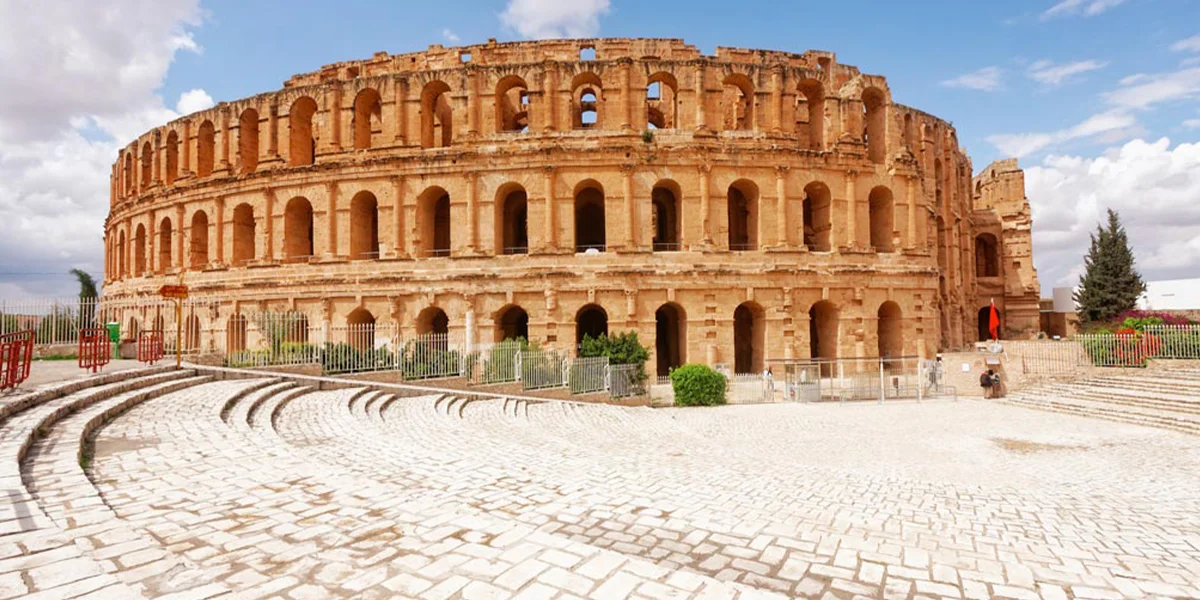
El Djem Amphitheatre is one of the grand edifices of Roman construction and ambition. It was built in the 3rd century AD and was able to hold more than 35,000 spectators and this was one of the largest amphitheaters in the ancient world. The technical skill and organization of Roman architects can be seen in the magnificent arches, corridors and underground rooms.
The amphitheatre has a strong connection to the history of gladiators beyond its architectural meaning. It played the scenes of large spectacles, competitions and celebrations that amused thousands of people, which could be considered as the social and cultural life of Romans. El Djem is nowadays one of the most outstanding Historical Sites in Tunisia that attracts people who want to feel the greatness and the drama of the Roman era.
Great Mosque of Kairouan
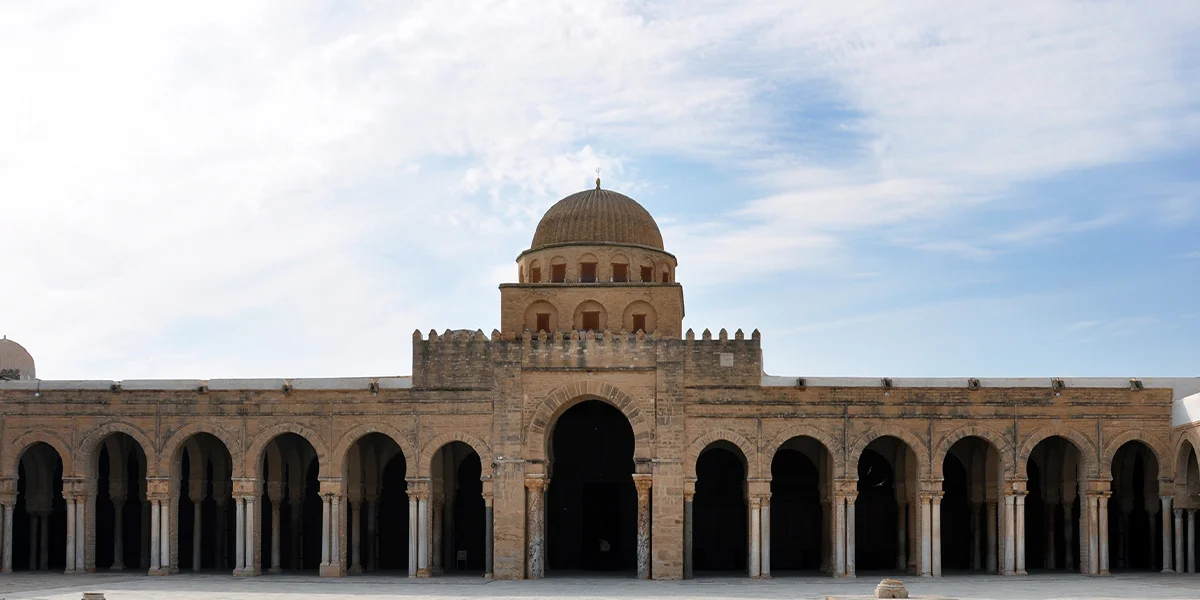
The Great Mosque of Kairouan or the Mosque of Uqba has an immense importance in the Islamic architecture and scholarship. It was founded in the 7th century, and it has a huge courtyard, an ancient tower, and prayer halls that are highly decorated. It has been a model of Islamic architectural ingenuity and its architectural design has been used in the construction of mosques in North Africa.
The mosque is a religious heritage and has been a place of learning, pilgrimage and spiritual practice since centuries. The trip to the Great Mosque enables tourists to experience the Islamic culture and the timeless contribution of religion to the cultural and educational life of the region. It is faith, history and architectural masterpiece and hence a must visit in any cultural itinerary.
Medina and Old Towns
The medinas of Tunisia are living museums with old streets, crowded markets, old houses, which are keeping the social and cultural customs of the past. A visit to these old towns helps the visitors to interact with the past as they get to enjoy the rich day to day life of the local people.
Medina of Tunis
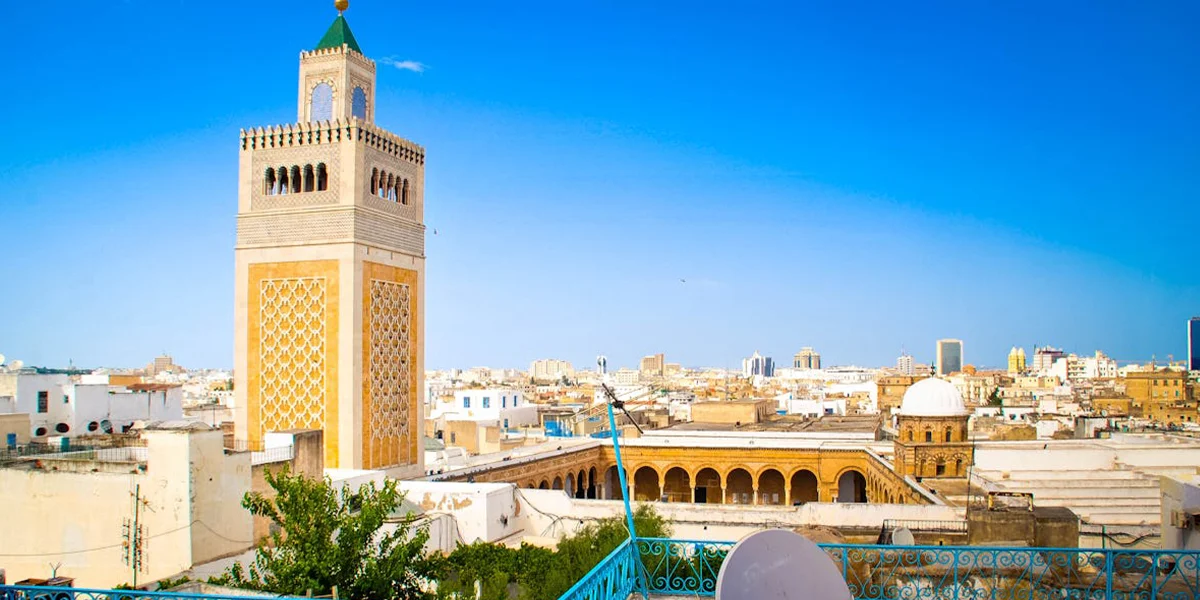
The Medina of Tunis, a UNESCO World Heritage location is an intertwining of narrow streets flanked by mosques, palaces and traditional markets. Every street corner is a masterpiece, starting with the exquisitely carved door to the lavishly decorated fountain. The medina is the place where one can witness the way in which the urban life was formed under the rule of the successive Islamic dynasties and still retains its original charm.
Visitors are able to visit the traditional souks which are still under the practice of their artisans and find out about the cultural landmarks that were never deterred by the time. The Medina of Tunis is one of the most exciting Historical Sites in Tunis that integrates history, culture, and life tradition in a colorful urban environment that makes a tourist traveler be a part of the past and a part of the present at the same time.


Leave a comment:
You must be logged in to post a comment.